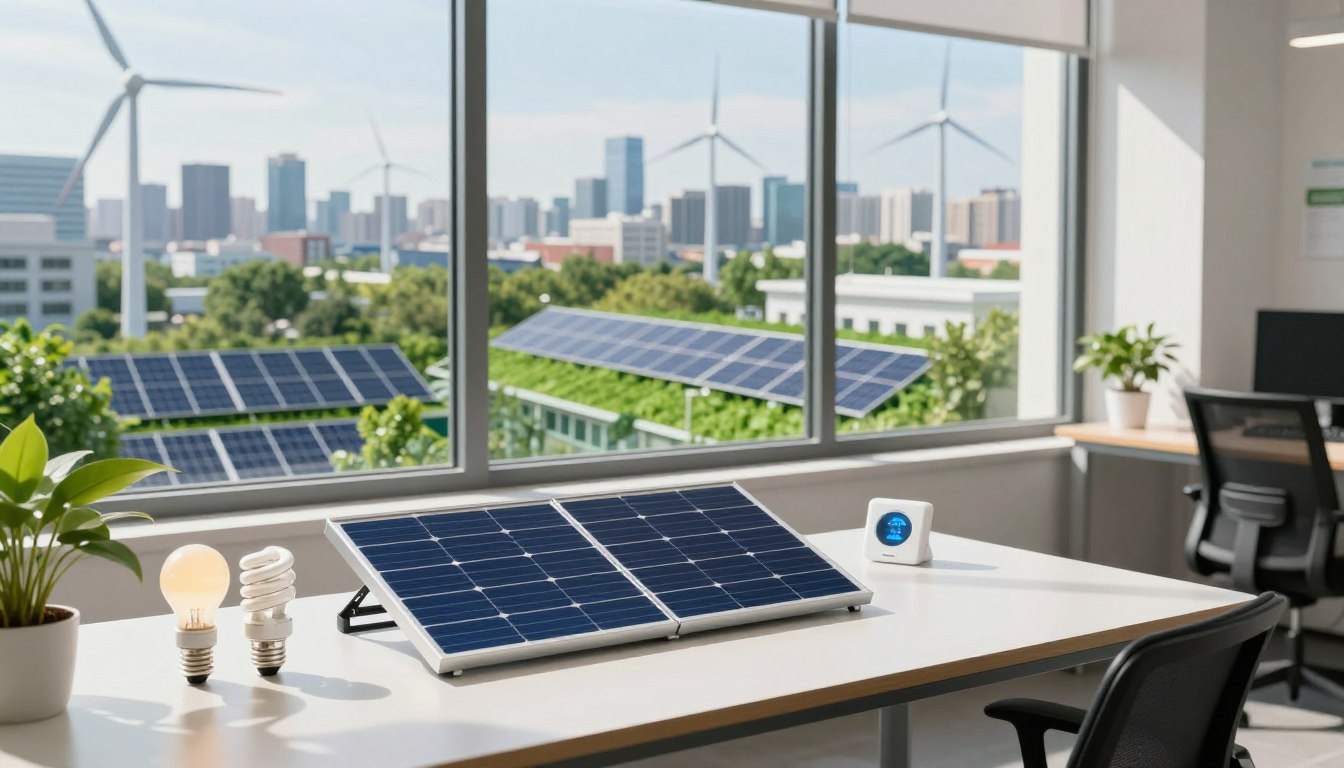
Are you aware that adopting sustainable energy practices can significantly reduce operational costs while enhancing overall efficiency? As the world shifts towards more environmentally friendly solutions, businesses are increasingly looking for ways to not only minimize their ecological footprint but also to capitalize on the economic benefits that come with it.
Implementing energy efficiency solutions is a crucial step towards achieving these goals. By leveraging advanced technologies and innovative strategies, companies can optimize their energy management systems, leading to substantial savings and improved productivity.
Key Takeaways
- Reduce operational costs through sustainable practices
- Enhance efficiency with energy-efficient solutions
- Minimize ecological footprint
- Capitalize on economic benefits of sustainable energy
- Optimize energy management systems
Understanding the Benefits of Energy Efficiency
Energy efficiency is not just about reducing energy consumption; it’s about adopting renewable energy practices that benefit both your bottom line and the planet. By embracing energy-efficient solutions, businesses can significantly reduce their operational costs while contributing to a more sustainable future.
How Energy Waste Affects Your Wallet
Energy waste is a significant issue that affects businesses financially. Inefficient lighting, outdated equipment, and poor insulation are just a few factors that contribute to wasted energy. For instance, leaving lights or equipment on when not in use can lead to substantial energy losses. By adopting green energy strategies, such as using LED lighting and optimizing HVAC systems, businesses can minimize energy waste and lower their utility bills.
Moreover, energy waste not only increases operational costs but also shortens the lifespan of equipment. By reducing energy consumption, businesses can extend the life of their equipment, thereby reducing maintenance and replacement costs.
Long-Term Savings Through Sustainable Practices
Implementing sustainable practices leads to significant long-term savings. By investing in energy-efficient technologies and renewable energy practices, businesses can reduce their energy consumption and lower their operational costs over time. For example, installing solar panels can provide a clean source of energy and reduce reliance on grid electricity, leading to substantial savings on energy bills.
- Reduced energy consumption through efficient technologies
- Lower operational costs due to reduced energy waste
- Incentives and tax credits for adopting green energy solutions
Environmental and Business Advantages
Adopting energy-efficient practices not only benefits businesses financially but also contributes to environmental sustainability. By reducing energy consumption and adopting green energy strategies, businesses can minimize their carbon footprint and help combat climate change. Furthermore, businesses that prioritize sustainability are often viewed more favorably by consumers, enhancing their brand reputation and potentially leading to increased customer loyalty.
In conclusion, understanding the benefits of energy efficiency is crucial for businesses looking to reduce costs, enhance their sustainability profile, and contribute to a more environmentally friendly future.
Assessing Your Energy Usage and Setting Goals
To start your journey towards sustainable energy, it’s crucial to understand your current energy usage. This foundational step allows you to identify areas of inefficiency and opportunities for improvement. By assessing your energy consumption, you can set realistic goals that align with your operational needs and sustainability objectives.
Step 1: Conduct a Thorough Energy Audit
A comprehensive energy audit is the cornerstone of any energy management strategy. It involves a detailed examination of your energy usage patterns to pinpoint where energy is being wasted.
Identifying Your Biggest Energy Consumers
Start by identifying the equipment and systems that consume the most energy. This could include lighting, HVAC systems, manufacturing equipment, or IT infrastructure. Understanding the energy consumption patterns of these major consumers is key to developing effective energy-saving strategies.
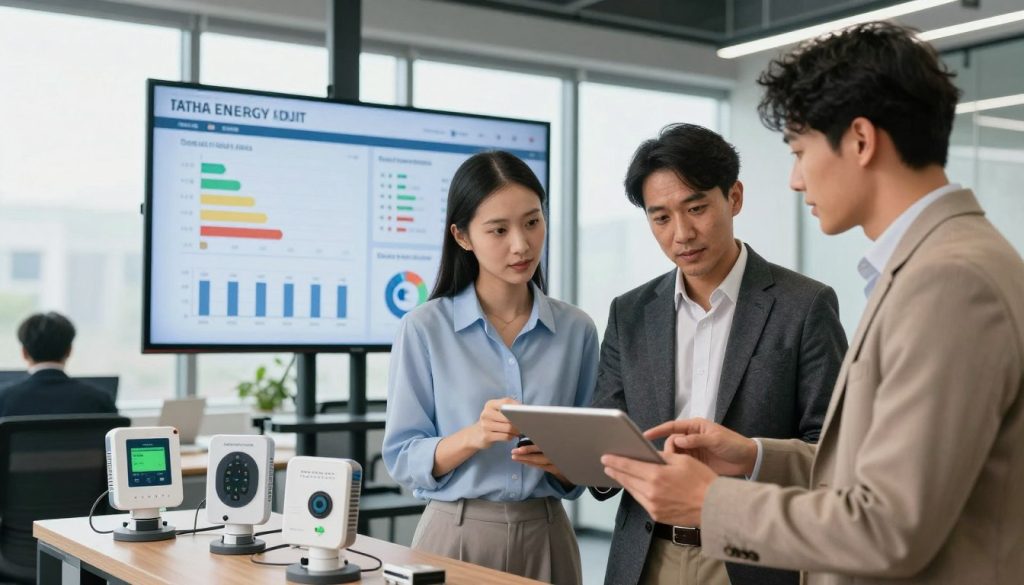
Using Smart Meters and Monitoring Tools
Implementing smart meters and energy monitoring tools can provide real-time data on your energy usage. This allows for more accurate tracking and analysis, helping you make informed decisions about energy efficiency improvements. As noted by the U.S. Department of Energy, “Advanced metering infrastructure can help utilities and customers monitor and manage energy usage more effectively.”
Step 2: Establish Your Energy Consumption Baseline
Once you have conducted your energy audit, the next step is to establish a baseline for your energy consumption. This baseline serves as a reference point against which you can measure future energy savings. It’s essential to consider historical data and seasonal variations to create an accurate baseline.
Step 3: Create Realistic Efficiency Targets
With your baseline established, you can now set realistic energy efficiency targets. These targets should be specific, measurable, achievable, relevant, and time-bound (SMART). For instance, you might aim to reduce your energy consumption by 15% within the next 12 months through a combination of energy-efficient technologies and behavioral changes.
“Setting clear and achievable energy efficiency goals is crucial for driving progress and measuring success.”
By following these steps, you can develop a comprehensive understanding of your energy usage and create a roadmap for achieving your sustainability goals. Effective eco-friendly energy management starts with a thorough assessment and a commitment to continuous improvement.
Implementing Renewable Energy Solutions
In the quest for sustainability, implementing renewable energy solutions is a key step that offers both economic and environmental advantages. As businesses and individuals look to reduce their carbon footprint, transitioning to renewable energy sources becomes increasingly important.
Step 4: Transition to Solar Power
Transitioning to solar power is one of the most effective ways to harness renewable energy. Solar power not only reduces reliance on fossil fuels but also significantly cuts down on energy costs over time.
Installing Rooftop Solar Panels
Installing rooftop solar panels is a straightforward way to start using solar energy. This method is particularly effective for businesses with ample roof space. The initial investment may seem high, but the long-term savings and potential tax incentives make it a worthwhile endeavor.
Joining Community Solar Programs
For those who cannot install solar panels on their property, joining community solar programs is a viable alternative. These programs allow multiple individuals or organizations to share the benefits of a single solar array.
Calculating Your Solar ROI
Calculating the return on investment (ROI) for solar energy involves considering several factors, including the initial cost, maintenance expenses, and savings on energy bills. A detailed analysis will help determine the viability of solar power for your specific situation.
| Factor | Cost/Savings | ROI Impact |
|---|---|---|
| Initial Investment | $10,000 | High Initial Cost |
| Annual Savings | $1,500 | Positive Cash Flow |
| Maintenance Cost | $200/year | Minimal Impact |
Step 5: Consider Wind and Geothermal Options
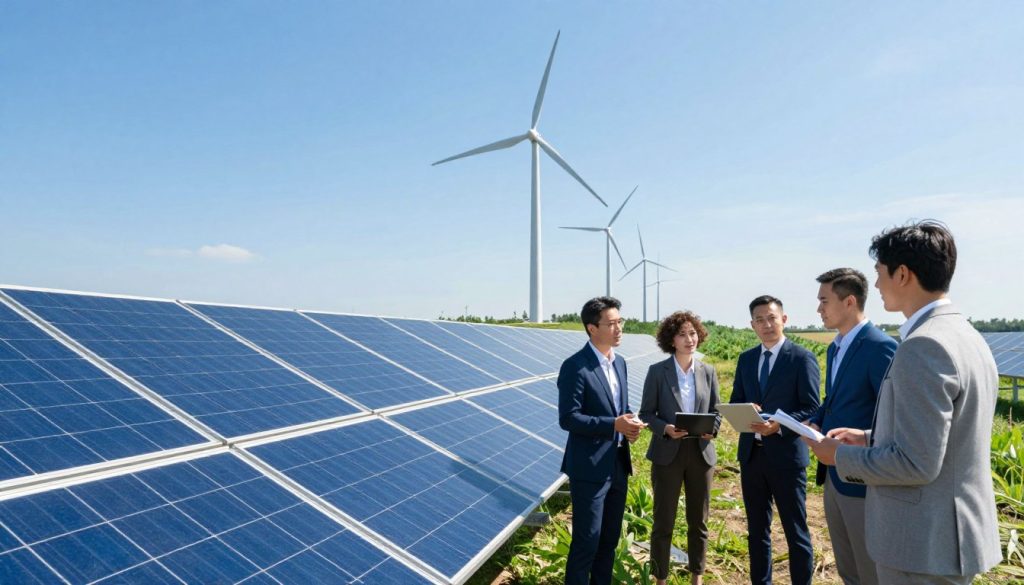
While solar power is a popular choice, wind and geothermal energy are also viable options for renewable energy. Wind energy involves harnessing the power of wind using turbines, while geothermal energy utilizes the heat from the Earth’s core. Both options offer significant potential for reducing carbon emissions.
Step 6: Add Battery Storage for Maximum Efficiency
Adding battery storage to your renewable energy system can significantly enhance its efficiency. Battery storage allows you to store excess energy generated during peak production times for use during periods of low production.
Choosing the Right Battery System
Choosing the right battery system involves considering factors such as capacity, depth of discharge, and lifespan. It’s essential to select a system that meets your energy storage needs.
Optimizing Energy Storage Capacity
Optimizing energy storage capacity requires a thorough understanding of your energy usage patterns. By analyzing your energy consumption, you can determine the appropriate storage capacity to maximize efficiency and savings.
Sustainable Energy Management: Daily Optimization Strategies
To achieve optimal energy efficiency, daily optimization strategies are essential. By implementing these strategies, businesses and households can significantly reduce energy waste and improve overall energy performance.
Step 7: Upgrade to Energy-Efficient Equipment
Upgrading to energy-efficient equipment is a critical step in sustainable energy management. This involves replacing outdated equipment with modern, energy-efficient alternatives.
Modernizing Your HVAC System
Modernizing your Heating, Ventilation, and Air Conditioning (HVAC) system can significantly reduce energy consumption. Consider installing a high-efficiency HVAC system that uses advanced technologies such as inverter-driven compressors and smart thermostats. For example, a study by the U.S. Department of Energy found that upgrading to a high-efficiency HVAC system can reduce energy consumption by up to 30%.
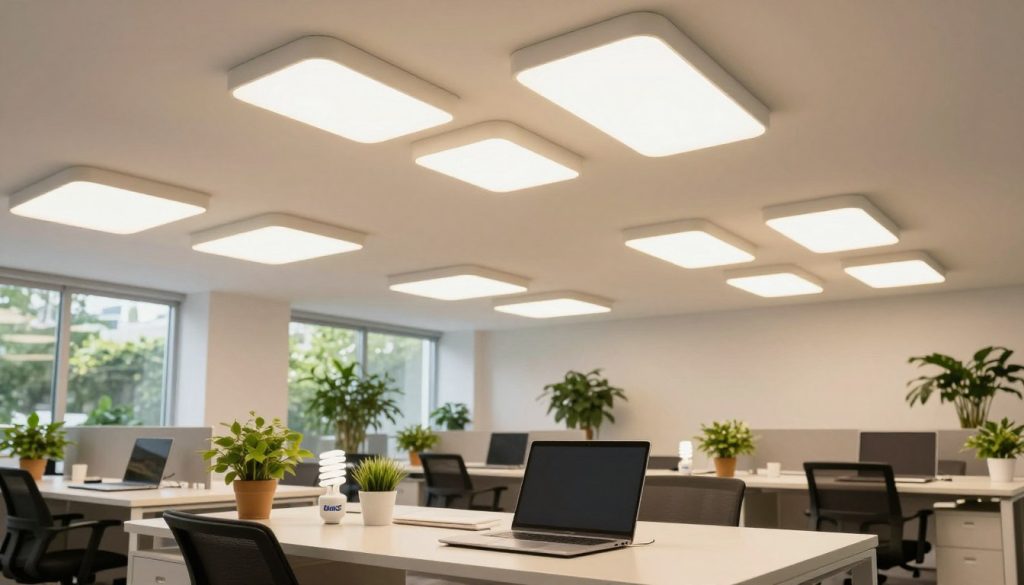
Switching to LED Lighting Throughout
LED lighting is a highly energy-efficient option that can reduce energy consumption by up to 75% compared to traditional incandescent lighting. By switching to LED lighting throughout your facility, you can achieve significant energy savings. For instance, the city of Los Angeles replaced over 140,000 streetlights with LED bulbs, resulting in annual energy savings of $8 million.
Smart thermostats and controls can optimize heating and cooling operations by learning occupancy patterns and adjusting temperatures accordingly. This can lead to significant energy savings, especially in commercial buildings. According to the ENERGY STAR program, installing smart thermostats can save up to $150 per year in energy costs for a typical household.
Selecting ENERGY STAR Certified Appliances
When replacing appliances, choose ENERGY STAR certified products, which meet energy efficiency standards set by the U.S. Environmental Protection Agency. These appliances use less energy and water, reducing utility bills and environmental impact.
| Appliance | ENERGY STAR Certified | Estimated Annual Savings |
|---|---|---|
| Refrigerator | Yes | $20-$50 |
| Dishwasher | Yes | $30-$70 |
| Clothes Washer | Yes | $40-$100 |
Step 8: Apply Proven Energy Conservation Techniques
In addition to upgrading equipment, applying proven energy conservation techniques can further reduce energy consumption.
Improving Insulation and Sealing Air Leaks
Proper insulation and sealing air leaks are crucial for maintaining a building’s energy efficiency. Check for gaps around windows, doors, and ducts, and seal them to prevent energy loss. Adding insulation to attics, walls, and floors can also help reduce heat transfer.
Optimizing Water Heating Efficiency
Optimizing water heating efficiency involves using energy-efficient water heaters and reducing hot water usage. Consider installing tankless water heaters or heat pump water heaters, which can be more efficient than traditional tank-style water heaters.
Step 9: Leverage Smart Building Technology
Smart building technology can significantly enhance energy efficiency by automating energy controls and optimizing energy usage.
Automating Energy Controls
Automating energy controls involves using advanced technologies to monitor and control energy usage in real-time. This can include automated lighting controls, HVAC controls, and energy management systems.
Implementing Occupancy Sensors
Occupancy sensors can detect the presence or absence of occupants in a building and adjust energy usage accordingly. For example, lighting and HVAC systems can be turned off or reduced when a space is unoccupied, leading to significant energy savings.
Conclusion
Implementing sustainable energy management practices is a crucial step towards reducing energy costs and promoting environmental sustainability. By understanding the benefits of energy efficiency, assessing your energy usage, and implementing renewable energy solutions, you can significantly reduce your energy consumption and carbon footprint.
Effective sustainable energy management involves daily optimization strategies, such as upgrading to energy-efficient equipment and leveraging smart building technology. By adopting these practices, you can achieve long-term savings, improve your bottom line, and contribute to a more sustainable future.
As you move forward with your sustainable energy management journey, remember to regularly assess your energy usage and adjust your strategies as needed. With the right approach, you can achieve a more energy-efficient and sustainable operation, reducing your environmental impact while improving your financial performance.