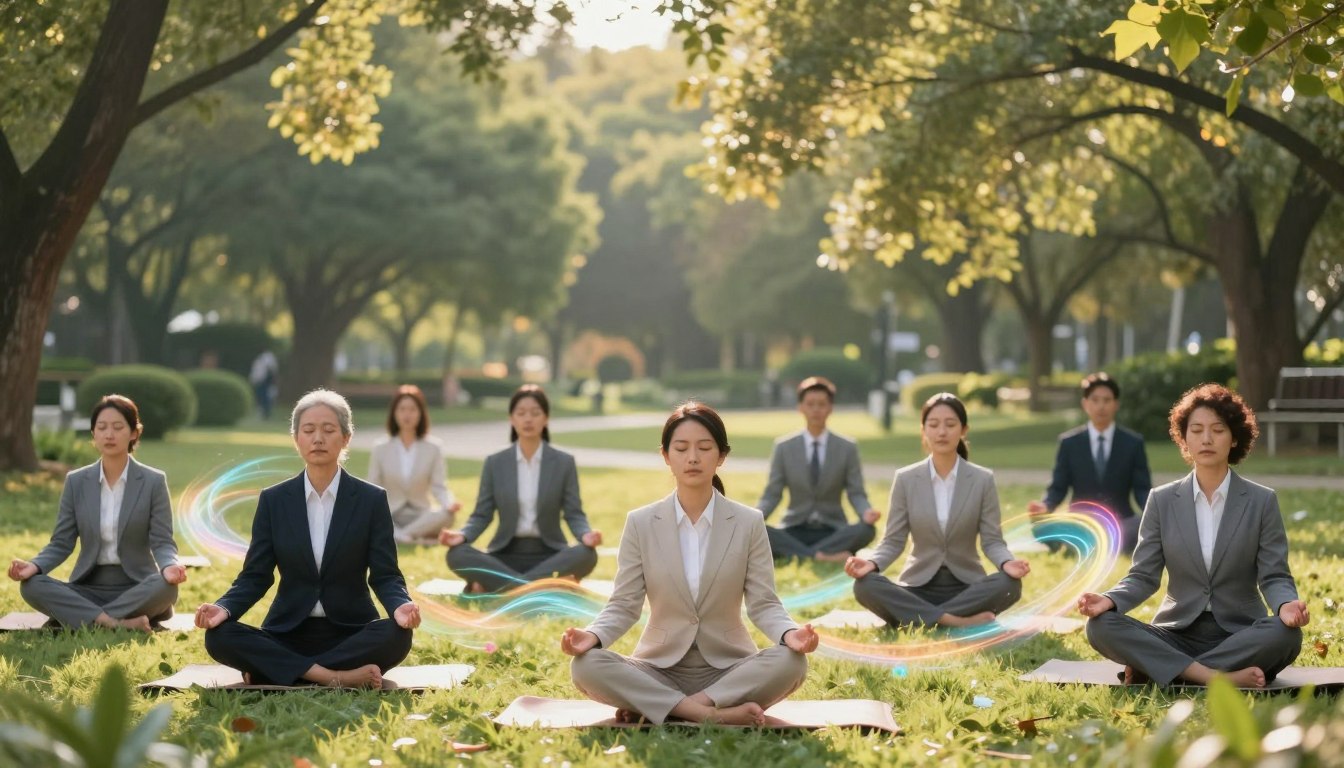
Can managing your nervous state really improve your overall well-being? The answer lies in understanding the importance of nervous system regulation and its impact on our daily lives.
Regulating your nervous system is crucial for maintaining balance and responding to stress effectively. By learning techniques for regulating the nervous system, you can enhance your resilience and improve your mental health.
As we explore the concept of nervous system regulation, you’ll discover practical nervous system regulation strategies to help you achieve a more balanced state.
Key Takeaways
- Understanding the importance of nervous system regulation for overall well-being.
- Learning techniques to regulate your nervous system effectively.
- Discovering practical strategies for achieving balance in daily life.
- Enhancing resilience and improving mental health.
- Exploring the impact of nervous system regulation on stress response.
Understanding Your Nervous System and Why Regulation Matters
The autonomic nervous system plays a significant role in how we respond to stress, and understanding it can be incredibly empowering. It’s the part of our nervous system that controls involuntary actions, like heart rate and breathing, and it’s crucial for our body’s response to stress.
Our autonomic nervous system has two main branches: the sympathetic nervous system and the parasympathetic nervous system. The sympathetic nervous system is often referred to as the “fight or flight” response because it prepares our body to react to danger. On the other hand, the parasympathetic nervous system is responsible for promoting relaxation and reducing stress, often called the “rest and digest” state.
How Your Autonomic Nervous System Controls Stress Responses
When we perceive a threat, our sympathetic nervous system kicks into high gear, releasing stress hormones like adrenaline and cortisol. These hormones prepare our body to either fight the threat or flee from it. While this response is lifesaving in dangerous situations, chronic activation can lead to problems like anxiety, fatigue, and decreased immune function.
In contrast, the parasympathetic nervous system helps to calm our body down after the threat has passed, promoting relaxation and reducing stress. It’s essential for healing, digestion, and overall well-being.
Common Signs Your Nervous System Is Dysregulated
A dysregulated nervous system can manifest in various ways. Here are some common signs:
- Anxiety or feeling overwhelmed
- Insomnia or poor sleep quality
- Digestive issues
- Rapid heartbeat or palpitations
- Feeling “on edge” or irritable
Understanding these signs can help you identify if your nervous system is dysregulated. Fortunately, there are natural ways to regulate your nervous system and improve your overall well-being.
| Nervous System State | Common Symptoms | Regulation Techniques |
|---|---|---|
| Sympathetic Overdrive | Anxiety, insomnia, rapid heartbeat | Deep breathing, progressive muscle relaxation |
| Parasympathetic Dominance | Fatigue, low blood pressure, digestive issues | Gentle exercise, yoga, mindfulness meditation |
| Dysregulation | Mood swings, irritability, feeling overwhelmed | Grounding techniques, somatic experiencing, journaling |
Nervous System Regulation Strategies: A Comprehensive Overview
To maintain a balanced nervous system, it’s essential to explore the diverse range of regulation strategies available. Nervous system regulation is a critical aspect of overall health, and understanding the various approaches can help individuals tailor their practices to suit their specific needs.
Nervous system regulation involves a complex interplay of various physiological and psychological processes. Holistic approaches for nervous system regulation consider the entire being, incorporating physical, emotional, and environmental factors to achieve balance.
The Science Behind Effective Regulation Techniques
Effective regulation techniques are grounded in science, drawing from fields such as neuroscience, psychology, and physiology. Research has shown that techniques like deep breathing, progressive muscle relaxation, and mindfulness meditation can positively impact nervous system function.
A key aspect of these techniques is their ability to influence the autonomic nervous system (ANS), which controls involuntary actions like heart rate and digestion. By activating the parasympathetic branch of the ANS, individuals can promote relaxation and reduce stress.

Matching Strategies to Your Current Nervous System State
Different situations call for different regulation strategies. For instance, during periods of high stress, techniques that promote immediate relaxation, such as box breathing or diaphragmatic breathing, can be particularly effective.
| Nervous System State | Recommended Strategies |
|---|---|
| High Stress | Box Breathing, Diaphragmatic Breathing |
| Chronic Anxiety | Mindfulness Meditation, Yoga |
| Trauma | Somatic Experiencing, Grounding Techniques |
Understanding your current nervous system state and selecting the appropriate strategies can significantly enhance the effectiveness of your regulation practice. By incorporating a range of strategies for improving nervous system function, individuals can develop a robust toolkit for maintaining balance and promoting overall well-being.
Breathing and Somatic Techniques for Immediate Regulation
Immediate regulation of the nervous system can be achieved through specific breathing and somatic techniques. These practices are designed to calm the mind and body, reducing stress and anxiety. By incorporating these methods into your daily routine, you can better manage stress responses and improve overall well-being.

Step 1: Practice Box Breathing for Instant Calm
Box breathing is a simple yet powerful technique for achieving instant calm. It involves breathing in for a count of four, holding the breath for a count of four, exhaling for a count of four, and holding the exhale for a count of four. This creates a “box” shape with your breath, hence the name.
How to Perform Box Breathing Correctly
To perform box breathing correctly, start by sitting comfortably with your back straight. Close your eyes and begin by inhaling through your nose for a count of four. Hold your breath for a count of four, then exhale through your mouth for a count of four. Finally, hold your exhale for a count of four. Repeat this cycle several times, focusing on the count and the sensation of your breath.
Step 2: Use Diaphragmatic Breathing to Activate Your Vagus Nerve
Diaphragmatic breathing, also known as belly breathing, is another effective technique for regulating the nervous system. It activates the vagus nerve, which plays a crucial role in promoting relaxation and reducing stress.
The Proper Technique for Belly Breathing
To practice diaphragmatic breathing, lie on your back with your knees bent and feet flat on the floor. Place one hand on your belly and the other on your chest. Inhale deeply through your nose, allowing your belly to rise as your diaphragm descends. Your hand on your belly should move outward as you inhale, while the hand on your chest remains still. Exhale slowly through your mouth, allowing your belly to fall as your diaphragm rises. Repeat this process several times, focusing on the movement of your diaphragm.
Step 3: Apply Progressive Muscle Relaxation to Release Tension
Progressive muscle relaxation is a somatic technique that involves tensing and relaxing different muscle groups to release physical tension. This practice can help calm the nervous system and promote relaxation.
Start by tensing the muscles in your toes, holding for a few seconds, and then releasing. Move up through the body, tensing and relaxing each muscle group in turn, including your feet, calves, thighs, hips, back, shoulders, arms, hands, neck, and head. As you tense each muscle group, hold your breath; as you relax, exhale. This helps to release physical tension and promote a sense of calm.
Movement-Based Practices to Balance Your Nervous System
Movement-based practices offer a powerful way to regulate your nervous system and improve overall well-being. By incorporating specific exercises and activities into your daily routine, you can significantly enhance your nervous system’s balance and resilience.

Step 4: Incorporate Gentle Yoga and Restorative Stretching
Gentle yoga and restorative stretching are excellent ways to promote nervous system regulation. These practices combine physical movement with deep breathing techniques, helping to calm the mind and soothe the body.
Best Yoga Poses for Nervous System Regulation
- Child’s Pose: A gentle stretch that promotes relaxation and calms the nervous system.
- Cat-Cow Pose: Helps to release tension in the spine and promotes flexibility.
- Legs Up The Wall Pose: A restorative pose that calms the nervous system and reduces swelling in the legs.
- Corpse Pose: Encourages deep relaxation and reduces stress.
Step 5: Try Bilateral Stimulation Through Walking or Dancing
Bilateral stimulation involves activating both sides of the body or brain to promote balance and regulation. Walking or dancing can be effective ways to achieve this, as they require coordinated movement of both sides of the body.
To incorporate bilateral stimulation into your routine, try:
- Walking: Take a brisk walk, paying attention to the alternating movement of your legs and arms.
- Dancing: Put on some upbeat music and dance, focusing on moving your body in a rhythmic, bilateral pattern.
Step 6: Use Grounding Exercises to Connect with the Present Moment
Grounding exercises help to bring your focus to the present moment, reducing stress and anxiety. These practices can be particularly helpful when you’re feeling overwhelmed or disconnected.
- Walking Barefoot: Take off your shoes and walk on grass, sand, or dirt to connect with the earth.
- Body Scan: Lie down or sit comfortably, and bring your attention to different parts of your body, starting from your toes and moving up to your head.
By incorporating these movement-based practices into your daily routine, you can take significant steps towards balancing your nervous system and improving your overall well-being.
Lifestyle and Environmental Approaches for Nervous System Health
Achieving optimal nervous system regulation involves more than just techniques; it requires a holistic approach to lifestyle and environment. Your daily habits, the way you interact with your surroundings, and the people you connect with all play significant roles in maintaining a balanced nervous system.
Step 7: Optimize Your Sleep Hygiene and Bedroom Environment
Quality sleep is foundational to nervous system health. Optimizing your sleep hygiene involves establishing a consistent sleep schedule, avoiding caffeine and electronics before bedtime, and creating a sleep-conducive environment.
- Keep your bedroom cool, dark, and quiet.
- Invest in a comfortable mattress and pillows.
- Use blackout curtains or a white noise machine if necessary.
Consider the following table to assess and improve your sleep hygiene:
| Sleep Hygiene Practice | Current Status | Improvement Plan |
|---|---|---|
| Consistent Sleep Schedule | Yes/No | Action Plan |
| Avoiding Pre-Bedtime Screens | Yes/No | Action Plan |
| Bedroom Environment | Description | Improvement Ideas |
Step 8: Manage Sensory Input and Reduce Overwhelm
In today’s world, we’re constantly bombarded with sensory inputs. Managing this input is crucial for preventing overwhelm and maintaining nervous system balance.
Creating a Low-Stimulation Environment
To reduce sensory overload, consider the following strategies:
- Declutter your living and work spaces.
- Use calming colors and decor.
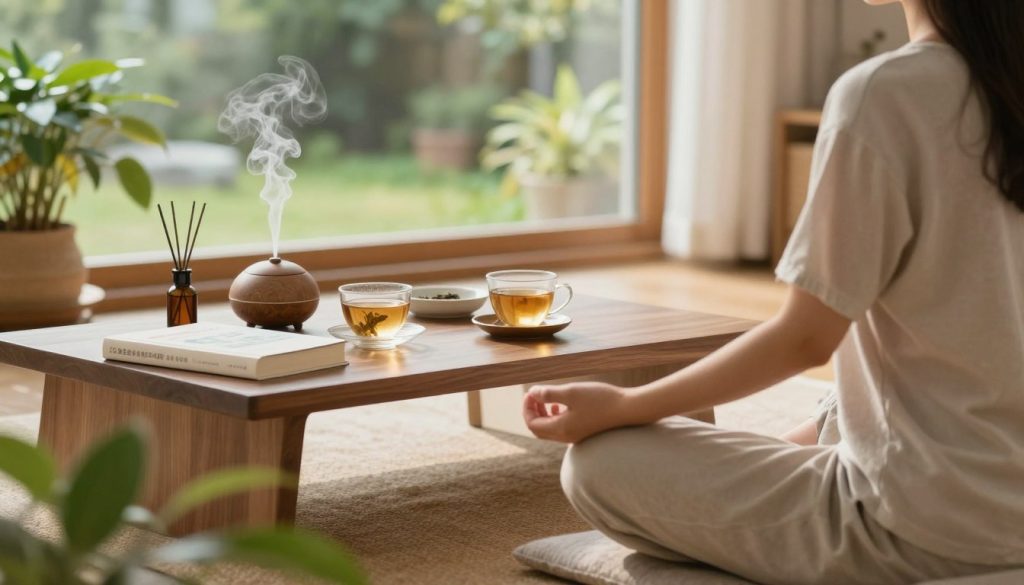
- Limit background noise or use soundscaping.
Step 9: Cultivate Safe Social Connections and Co-Regulation
Humans are inherently social creatures, and our nervous systems are deeply influenced by our interactions. Cultivating safe social connections involves nurturing relationships that feel supportive and safe.
Co-regulation, or the process of regulating your nervous system through connection with others, is a powerful tool. This can be achieved through:
- Engaging in group activities that feel enjoyable and safe.
- Practicing active listening and empathy.
- Seeking out supportive communities or groups aligned with your interests.
By implementing these lifestyle and environmental approaches, you can significantly support your nervous system’s health and resilience.
Building Your Personalized Daily Regulation Practice
Developing a daily practice tailored to your needs is key to maintaining a balanced nervous system. By incorporating specific techniques into your morning, midday, and evening routines, you can enhance your overall well-being and improve your ability to handle stress.
Step 10: Design a Morning Routine That Supports Regulation
Starting your day on a positive note can significantly impact your nervous system’s regulation. Begin with a gentle morning routine that includes activities such as meditation, deep breathing, or yoga. These practices help set a calm tone for the day and prepare your nervous system for the challenges ahead.
Consider incorporating a 10-minute morning journaling practice to reflect on your goals and gratitudes. This can help you cultivate a positive mindset and clarify your priorities for the day.
Step 11: Implement Midday Check-Ins and Reset Practices
Midday check-ins are crucial for maintaining nervous system balance throughout the day. Take a few minutes to assess your current state and implement reset practices as needed.
- Practice a quick 5-minute breathing exercise to calm your nervous system.
- Take a short walk outside to refresh your mind and body.
- Use a mindfulness app to guide you through a brief meditation session.
Step 12: Create an Evening Wind-Down Protocol for Better Sleep
A well-structured evening routine is essential for signaling to your nervous system that it’s time to wind down. Avoid screens for at least an hour before bedtime and engage in relaxing activities such as reading or listening to soothing music.
Consider implementing a warm bath or shower routine to help your body relax. Adding Epsom salts or essential oils like lavender can further enhance the experience.
| Daily Practice | Purpose | Example Activities |
|---|---|---|
| Morning Routine | Sets a positive tone for the day | Meditation, deep breathing, yoga, journaling |
| Midday Check-Ins | Maintains nervous system balance | Breathing exercises, short walks, mindfulness apps |
| Evening Wind-Down | Prepares for restful sleep | Reading, soothing music, warm baths, relaxation techniques |
By incorporating these practices into your daily routine, you can significantly improve your nervous system’s ability to regulate and respond to stress. Remember, the key is to tailor these practices to your individual needs and preferences.
Conclusion
Regulating your nervous system is crucial for achieving overall well-being. By incorporating tips for nervous system regulation into your daily life, you can better manage stress and improve your quality of life.
The practices outlined in this article, from breathing techniques to movement-based exercises and lifestyle adjustments, provide a comprehensive approach to enhancing nervous system regulation. By implementing these practices for enhancing nervous system regulation, you can take the first step towards a more balanced and resilient you.
Start your journey today by choosing one or two techniques that resonate with you and integrating them into your daily routine. As you become more attuned to your nervous system’s needs, you can continue to explore and expand your practice, leading to lasting improvements in your overall health and well-being.