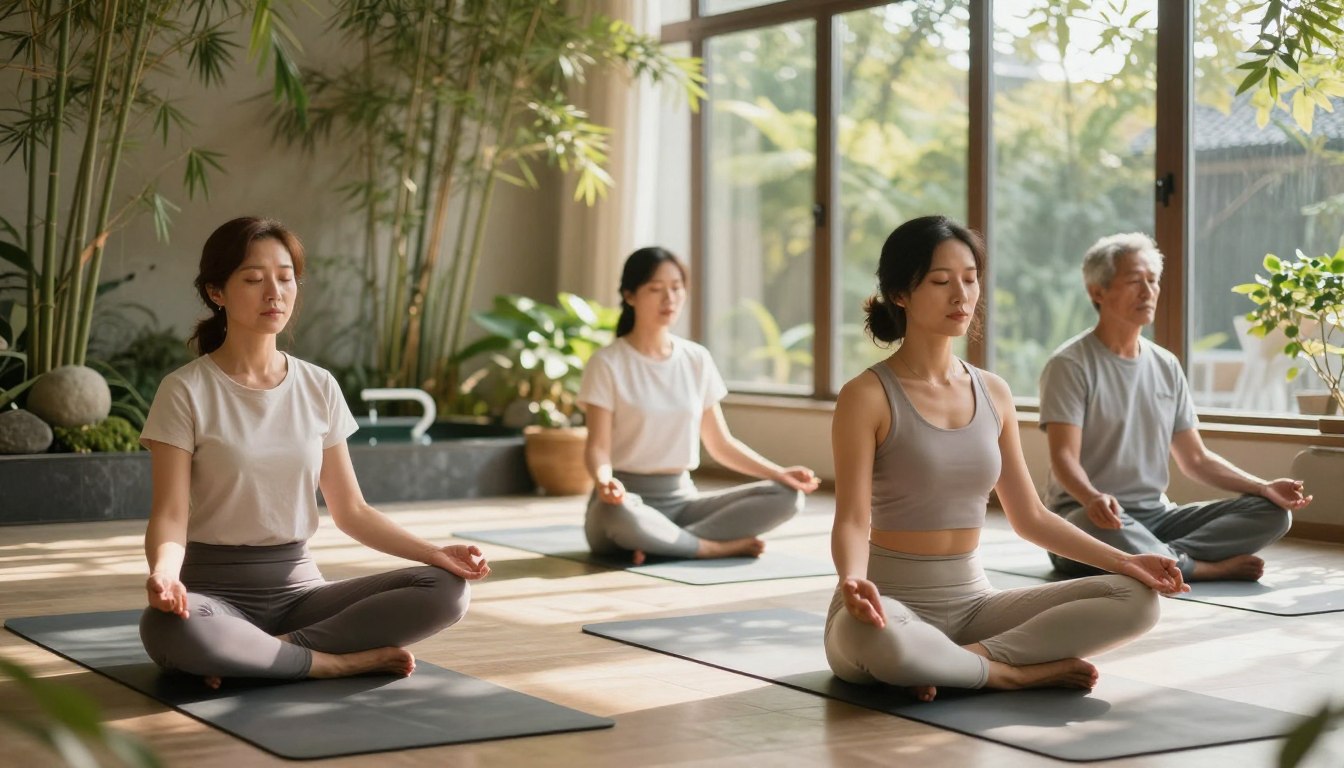
Are you aware that stress can significantly impact your skin’s health and overall appearance? Chronic stress can lead to premature aging, causing fine lines, wrinkles, and a dull complexion. It’s time to explore the connection between stress management and a more youthful you.
Adopting a holistic approach to anti aging involves more than just skincare routines; it encompasses managing stress effectively. By understanding the link between stress and aging, you can take proactive steps towards a healthier, more radiant appearance.
Key Takeaways
- Managing stress is crucial for maintaining youthful skin and overall health.
- A holistic approach to anti-aging includes stress reduction techniques.
- Chronic stress can lead to premature aging and skin issues.
- Effective stress management can improve your overall appearance.
- Adopting a healthy lifestyle is key to looking and feeling younger.
Understanding the Connection Between Stress and Aging
The link between stress and aging is multifaceted, involving cellular, hormonal, and physical changes that can age us prematurely. Chronic stress, in particular, has been shown to have a profound impact on our bodies, accelerating the aging process in ways that are both visible and invisible.
How Chronic Stress Accelerates Cellular Aging
Chronic stress triggers a cascade of physiological responses that can lead to cellular aging. At the cellular level, stress can cause telomere shortening, a process where the protective caps on the ends of chromosomes shorten, leading to cellular senescence or death. This can result in the aging of tissues and organs, contributing to the overall aging process.
Furthermore, chronic stress can lead to oxidative stress, a condition characterized by an imbalance between free radicals and antioxidants in the body. This imbalance can cause cellular damage, further accelerating the aging process.
The Impact of Cortisol on Skin and Body
Cortisol, often referred to as the “stress hormone,” plays a crucial role in the body’s response to stress. While cortisol is essential for various bodily functions, chronically elevated cortisol levels can have detrimental effects on the skin and body.
High cortisol levels can lead to skin issues such as acne, thinning skin, and poor wound healing. Additionally, cortisol can cause fat redistribution, leading to increased fat around the abdominal area, which is associated with a higher risk of chronic diseases.
Visible Signs That Stress Is Aging You
Stress-induced aging can manifest in various visible signs. These include wrinkles and fine lines, particularly on the face, due to repeated facial expressions and stress-related skin tension. Other signs include hair loss, graying hair, and changes in skin texture and tone.
Moreover, stress can lead to poor posture and muscle tension, further contributing to an aged appearance. Recognizing these signs can be the first step towards adopting stress reduction techniques for anti-aging.
Assessing Your Current Stress Levels
Assessing your stress levels is the first step towards leveraging stress reduction for anti-aging benefits. Understanding how stress affects you personally is crucial for developing an effective stress management plan.
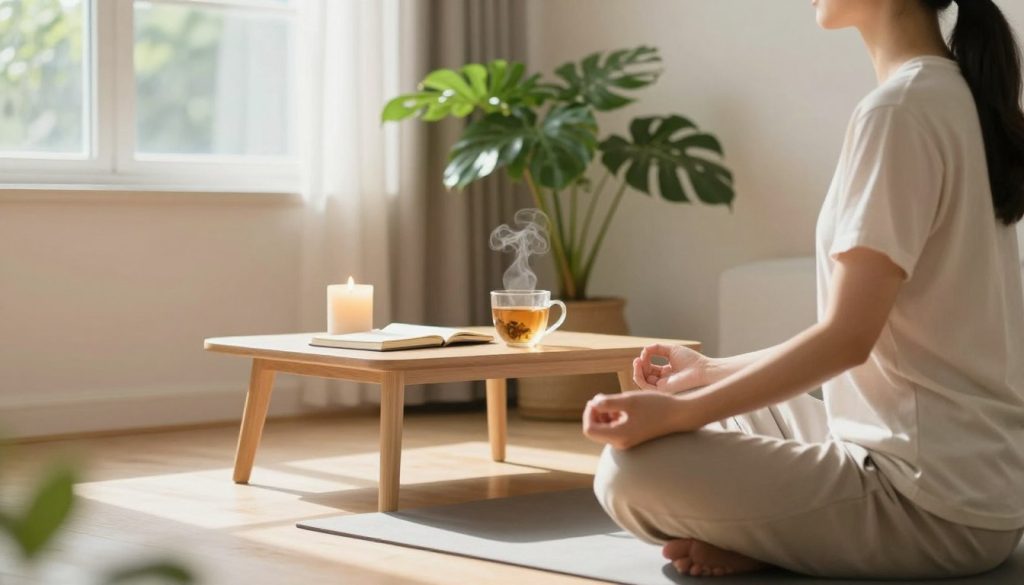
Conducting a Personal Stress Inventory
Start by making a list of situations, events, or people that cause you stress. This inventory will help you identify patterns and common themes in your stress responses. As Dr. Hans Selye, a pioneer in stress research, once said, “It’s not stress that kills us, it is our reaction to it.” Understanding your stressors is key to managing your reaction to them.
“The greatest wealth is health.” –
Tracking Physical and Emotional Symptoms
Pay attention to how your body and mind react to stress. Common symptoms include headaches, fatigue, irritability, and anxiety. Tracking these symptoms can provide insights into your stress levels. Consider keeping a stress journal to monitor your symptoms and identify triggers.
- Headaches and muscle tension
- Fatigue and sleep disturbances
- Irritability and mood swings
- Anxiety and feelings of overwhelm
Identifying Your Primary Stress Triggers
Once you have identified your stressors and symptoms, the next step is to determine your primary stress triggers. These are the root causes of your stress that, when addressed, can significantly reduce your overall stress levels. By understanding and managing these triggers, you can take a significant step towards reducing stress for anti-aging benefits.
Implementing Daily Meditation and Mindfulness Practices
Meditation and mindfulness practices are essential tools for managing stress, which is a key factor in the aging process. By reducing stress, individuals can potentially slow down or even reverse certain aspects of aging, leading to a more youthful appearance and improved overall health.
Step 1: Selecting the Right Meditation Type for Beginners
For those new to meditation, selecting the right type can be crucial. Two popular forms are guided meditation and transcendental meditation.
Guided Meditation Options
Guided meditation involves following the instructions of a guide or teacher, often through an app or video. This can be particularly helpful for beginners as it provides a structured approach to meditation.
Transcendental Meditation Basics
Transcendental meditation involves the use of a mantra to help the mind settle into a state of calm. It’s a technique that requires instruction from a certified teacher.
| Meditation Type | Description | Best For |
|---|---|---|
| Guided Meditation | Follows a guide’s instructions | Beginners, those who prefer structure |
| Transcendental Meditation | Uses a mantra for calm | Those seeking a more traditional technique |
Step 2: Building a Sustainable Daily Practice
Building a daily meditation practice requires commitment and the right environment.
Setting Realistic Time Goals
Starting with short sessions, even just a few minutes a day, can help build a habit. As one becomes more comfortable with meditation, the duration can be increased.
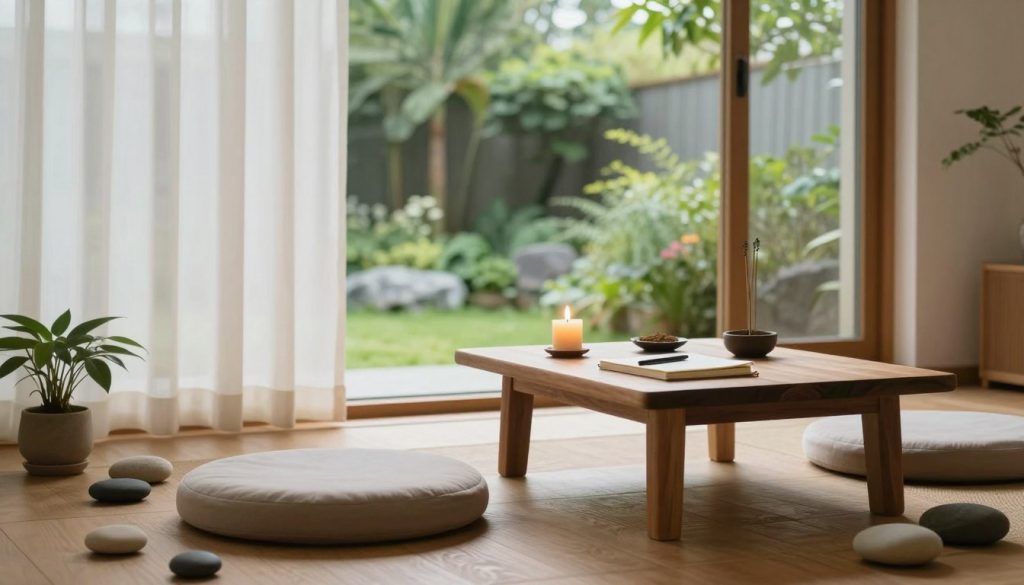
Creating Your Meditation Space
A dedicated, quiet, and comfortable space can enhance the meditation experience. It doesn’t have to be large; even a small, peaceful corner can be effective.
Step 3: Incorporating Mindfulness Throughout Your Day
Mindfulness is about being present in the moment. It can be practiced during daily activities such as eating, walking, or even during conversations.
By incorporating mindfulness into daily routines, individuals can reduce stress and enhance their overall sense of well-being, contributing to the anti-aging benefits of stress reduction.
In conclusion, meditation and mindfulness are powerful natural anti-aging remedies that can be easily integrated into daily life. By following these steps, individuals can start experiencing the benefits of a more mindful and less stressed existence.
Mastering Breathing Techniques for Instant Stress Relief
The art of breathing is often overlooked, yet it holds the key to reducing stress and promoting overall well-being. By incorporating specific breathing techniques into your daily routine, you can significantly enhance your ability to manage stress, contributing to a more youthful and vibrant you through stress reduction for anti-aging.
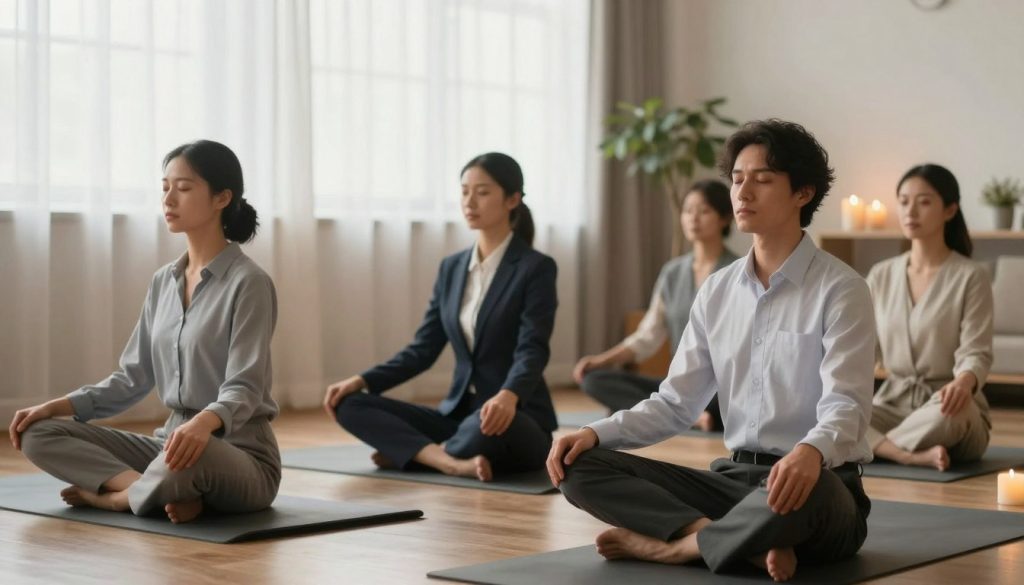
The 4-7-8 Breathing Method for Quick Calm
The 4-7-8 breathing method, also known as the “Relaxation Breath,” is a powerful technique for calming the nervous system. It involves breathing in through the nose, holding the breath, and exhaling through the mouth.
Step-by-Step Instructions
- Begin by finding a comfortable seated position with your back straight.
- Close your eyes and take a deep breath in through your nose for a count of 4.
- Hold your breath for a count of 7.
- Slowly exhale through your mouth for a count of 8.
Best Times to Practice
This technique is versatile and can be practiced at various times throughout the day. It’s particularly beneficial before bed to promote a restful night’s sleep or during moments of high stress to quickly regain calm.
Box Breathing for Mental Clarity
Box breathing, also known as “square breathing,” is a technique used by athletes and individuals in high-stress professions to enhance focus and mental clarity. It involves breathing in for a count of 4, holding for 4, exhaling for 4, and holding again for 4, creating a “box” shape with your breath.
To practice box breathing, start by sitting comfortably with your back straight, then follow the count as described. This technique can be especially useful during tasks that require concentration or when you need a mental refresh.
Diaphragmatic Breathing for Deep Relaxation
Diaphragmatic breathing engages the diaphragm, the muscle that separates the chest and abdominal cavities, to promote deep relaxation and reduce stress. It involves breathing deeply into the lungs, rather than shallow breaths into the chest.
To practice diaphragmatic breathing, place one hand on your belly and the other on your chest. Inhale deeply through your nose, allowing your belly to rise as your diaphragm descends. Your chest should not move. Exhale slowly through your mouth, feeling your belly fall as your diaphragm rises.
By mastering these anti-aging techniques through stress relief, you can not only reduce stress but also contribute to a more youthful appearance and overall well-being. Regular practice of these breathing techniques can lead to improved skin health, better sleep quality, and enhanced mental clarity, all of which are crucial for maintaining a youthful vitality.
Anti Aging Through Stress Reduction: Exercise and Movement
A holistic approach to anti-aging involves not just skincare, but also regular exercise and stress management techniques. Exercise and physical movement are crucial for maintaining youthful energy and reducing the visible signs of aging.
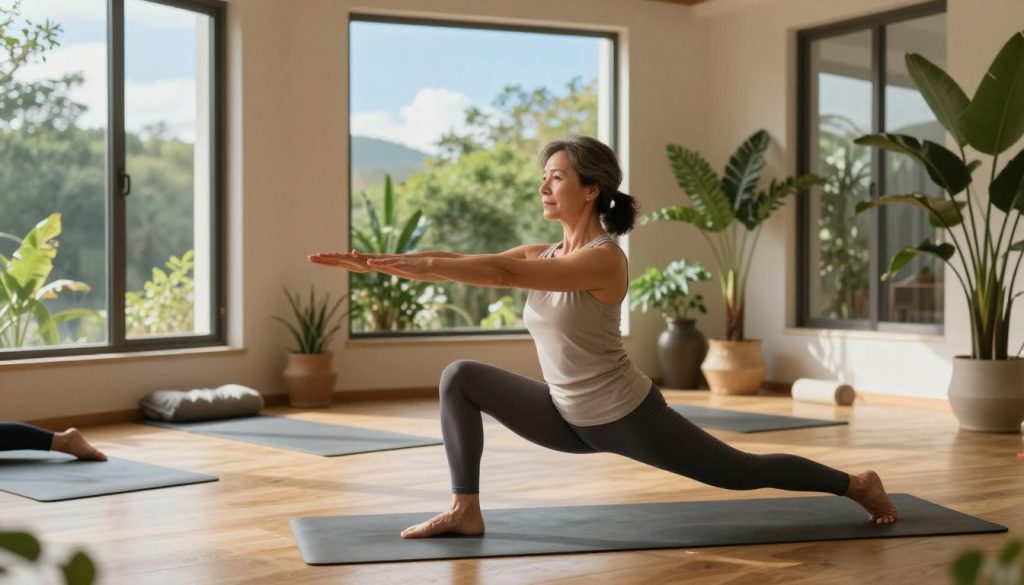
Yoga Practices for Stress Management and Youthful Skin
Yoga is a powerful tool for managing stress and promoting anti-aging. It combines physical postures, breathing techniques, and meditation to create a comprehensive approach to well-being.
Restorative Yoga Poses
Restorative yoga involves using props to support the body in relaxing postures, allowing for deep relaxation and rejuvenation. Some beneficial poses include:
- Legs Up The Wall Pose for improved circulation and reduced swelling
- Reclined Spinal Twist for spinal flexibility and detoxification
- Savasana for deep relaxation and stress relief
Face Yoga for Wrinkle Prevention
Face yoga involves specific exercises that target the facial muscles, helping to reduce wrinkles and improve skin tone. Regular practice can lead to a more youthful appearance.
Low-Impact Cardio Activities That Reduce Stress
Low-impact cardio activities, such as brisk walking, swimming, or cycling, are excellent for reducing stress while improving cardiovascular health. These activities promote the release of endorphins, which are natural mood elevators.
Daily Stretching Routines for Tension Release
Daily stretching is essential for releasing physical tension and promoting flexibility. It can be adapted to fit any lifestyle, whether you’re looking for a morning energizer or an evening wind-down routine.
Morning Stretch Sequence
Starting your day with a stretch sequence can boost energy and set a positive tone. Include stretches like:
- Neck Stretch to release tension
- Shoulder Rolls to improve posture
- Cat-Cow Stretch to warm up the spine
Evening Wind-Down Stretches
Evening stretches can help signal the body that it’s time to sleep. Try:
- Seated Forward Fold to stretch the hamstrings and back
- Child’s Pose to relax the back and hips
- Reclined Pigeon Pose to release hip tension
By incorporating these exercise and movement practices into your daily routine, you can significantly reduce stress and promote a more youthful appearance, embodying a holistic approach to anti-aging and enhancing stress management for youthful skin.
Optimizing Sleep Quality to Combat Stress and Aging
Good sleep is not just a necessity for health; it’s also a key factor in anti-aging through stress reduction. Quality sleep helps regulate stress hormones, repair cells, and rejuvenate the body. By optimizing sleep, individuals can significantly reduce the visible signs of aging caused by stress.
Establishing a Consistent Sleep Schedule
One of the foundational steps in improving sleep quality is establishing a consistent sleep schedule. Going to bed and waking up at the same time every day, including weekends, helps regulate the body’s internal clock. This consistency can enhance the quality of sleep, making it easier to fall asleep and stay asleep.
Creating a Relaxing Pre-Bed Routine
A pre-bed routine is crucial for signaling to the body that it’s time to sleep. This routine can include a variety of relaxing activities.
Digital Detox Guidelines
Part of a pre-bed routine involves disconnecting from digital devices. The blue light emitted by smartphones, tablets, and computers can suppress the production of melatonin, the hormone that regulates sleep. Implementing a digital detox at least an hour before bedtime can significantly improve sleep quality.
Calming Activities Before Sleep
Engaging in calming activities before sleep, such as reading, meditation, or a warm bath, can help relax the mind and body. These activities signal to the brain that it’s time to wind down, making it easier to fall into a deep, restorative sleep.
Optimizing Your Sleep Environment
The sleep environment plays a critical role in determining the quality of sleep. Ensuring the bedroom is dark, quiet, and at a comfortable temperature can enhance sleep. Investing in a comfortable mattress and pillows is also essential for a restful night’s sleep.
By focusing on these aspects—establishing a consistent sleep schedule, creating a relaxing pre-bed routine, and optimizing the sleep environment—individuals can significantly improve their sleep quality. This, in turn, can help reduce stress for anti-aging benefits, leading to a healthier, more youthful appearance and overall well-being.
Nutrition and Natural Anti-Aging Remedies for Stress
A nutrient-rich diet is essential for reducing stress and promoting overall well-being. The foods we eat and the supplements we take can significantly impact our body’s ability to manage stress and slow down the aging process.
Incorporating Stress-Reducing Foods into Your Diet
Certain foods are known to help reduce stress and promote anti-aging. These include foods rich in omega-3 fatty acids and antioxidants.
Omega-3 Rich Foods
Omega-3 fatty acids, found in salmon, walnuts, and chia seeds, play a crucial role in brain health and have been shown to reduce stress levels.
Antioxidant Powerhouses
Foods high in antioxidants, such as berries, leafy greens, and other fruits and vegetables, help combat oxidative stress and promote healthy aging.
Using Adaptogens for Hormonal Balance
Adaptogens are natural substances that help the body adapt to stress. They can be found in certain herbs and plants.
Ashwagandha Benefits and Dosage
Ashwagandha is an adaptogen known for its ability to reduce cortisol levels and promote relaxation. The recommended dosage varies but typically ranges from 300 to 500 mg per day.
Rhodiola and Holy Basil
Rhodiola and Holy Basil are other adaptogens that help in managing stress and promoting hormonal balance. They can be consumed as supplements or teas.
Hydration Strategies for Healthy, Youthful Skin
Adequate hydration is crucial for maintaining healthy, youthful skin. Drinking enough water and consuming hydrating foods can help keep the skin supple and reduce the signs of aging.
As noted by a skincare expert, “
Proper hydration is key to maintaining skin elasticity and reducing fine lines and wrinkles.
“
- Drink at least 8 glasses of water a day.
- Incorporate hydrating foods like cucumbers and watermelon into your diet.
Conclusion
Embracing a holistic approach to anti-aging through stress reduction can significantly impact your overall well-being and youthful appearance. By understanding the connection between stress and aging, you can take proactive steps to mitigate its effects.
Implementing daily meditation and mindfulness practices, mastering breathing techniques, and engaging in regular exercise and movement can help reduce stress levels. Optimizing sleep quality and incorporating stress-reducing foods into your diet can further support your anti-aging efforts.
By adopting these strategies, you can promote a more balanced and healthy lifestyle, ultimately leading to a more youthful and radiant appearance. Start your journey to anti aging through stress reduction today and experience the benefits of a holistic approach to anti aging for yourself.