
Are you wondering if it’s possible to live a long, healthy life without sacrificing your well-being? In today’s fast-paced world, achieving mindful longevity can seem like a daunting task.
Embracing a holistic approach to wellness is key to unlocking the secrets of a long and healthy life. By incorporating effective wellness strategies and healthy living tips into your daily routine, you can create a lifestyle blueprint for success.
Key Takeaways
- Discover the importance of a holistic approach to wellness.
- Learn effective strategies for achieving mindful longevity.
- Understand how to create a personalized lifestyle blueprint.
- Explore healthy living tips for a balanced life.
- Find out how to maintain your well-being in a fast-paced world.
Understanding Mindful Longevity and Why It Matters
Mindful longevity is revolutionizing the way we approach aging, focusing on a holistic blend of physical, mental, and emotional well-being. This concept is gaining traction as people seek more comprehensive approaches to health that go beyond traditional wellness methods.
The Connection Between Mindfulness and Living Longer
Mindfulness techniques play a crucial role in the practice of mindful longevity. By incorporating mindfulness into daily routines, individuals can potentially reduce stress, improve mental clarity, and enhance overall health. Research has shown that regular mindfulness practice can lead to lower blood pressure, reduced chronic pain, and a stronger immune system, all of which are factors that contribute to a longer, healthier life.
“Mindfulness is not just a practice, but a way of being that cultivates awareness and acceptance of the present moment,” says a renowned mindfulness expert. This mindset is fundamental to the concept of mindful longevity, as it encourages individuals to be more attuned to their bodily needs and emotional states.
What Sets Mindful Longevity Apart from Traditional Wellness
Unlike traditional wellness approaches that often focus on specific aspects of health, mindful longevity encompasses a broader spectrum of holistic health practices. It integrates physical activity, nutritional awareness, stress management, and emotional well-being into a cohesive lifestyle plan. This comprehensive approach is what sets mindful longevity apart, offering a more sustainable and inclusive path to achieving long-term health.
By adopting longevity habits such as regular meditation, mindful eating, and conscious movement, individuals can create a robust foundation for a healthier, longer life. These practices not only improve physical health but also enhance mental resilience and emotional balance.
The Five Pillars of a Longevity-Focused Life
A longevity-focused life is built upon five foundational pillars:
- Mindful Nutrition: Focusing on whole, nutrient-dense foods that support overall health.
- Regular Movement: Engaging in physical activities that promote strength, flexibility, and cardiovascular health.
- Stress Management: Practicing mindfulness and other techniques to manage stress effectively.
- Restorative Sleep: Prioritizing sleep that is restorative and rejuvenating.
- Emotional Well-being: Cultivating emotional resilience through practices like gratitude and self-compassion.
By balancing these pillars, individuals can create a personalized blueprint for achieving mindful longevity. This approach not only supports physical health but also fosters a deeper connection to oneself and others, enhancing the quality of life.
Creating Your Mindful Longevity Lifestyle Blueprint
Your mindful longevity journey begins with a clear understanding of where you are today, both physically and mentally. This foundational step is crucial in crafting a personalized blueprint that addresses your unique needs and goals.
Evaluating Your Current Health and Wellness Baseline
To create an effective mindful longevity lifestyle blueprint, it’s essential to start by assessing your current health and wellness status. This involves examining various aspects of your life, including physical health, mental well-being, and emotional resilience.
Physical Health Markers to Assess
When evaluating your physical health, consider the following key markers:
- Blood pressure and heart rate
- Blood glucose levels
- Cholesterol levels
- Body mass index (BMI)
- Sleep quality
These indicators provide valuable insights into your overall physical health and can help identify areas for improvement.
Mental and Emotional Wellness Indicators
In addition to physical health, it’s crucial to assess your mental and emotional well-being. Consider factors such as:
- Stress levels
- Mood stability
- Cognitive function
- Emotional resilience
- Social connections
As noted by Dr. Daniel Siegel, “The mind is not just the brain; it’s the embodied and relational process that regulates energy and information flow.” This perspective highlights the importance of considering both mental and emotional aspects in your assessment.
Defining Your Personal Longevity Vision
Once you have a clear understanding of your current baseline, the next step is to define your personal longevity vision. This involves setting specific, achievable goals that align with your values and aspirations.
Consider what a fulfilling life means to you and what steps you need to take to achieve it. Your longevity vision should be inspiring and motivating, serving as a guiding force in your journey.
Mapping Out Your Customized Blueprint Structure
With your current baseline assessed and your longevity vision defined, it’s time to map out your customized blueprint structure. This involves integrating various wellness strategies and self-care routines into a cohesive plan.
| Component | Description | Action Steps |
|---|---|---|
| Nutrition | Focus on whole, nutrient-dense foods | Plan meals, shop healthy, cook at home |
| Physical Activity | Engage in regular exercise tailored to your needs | Schedule workouts, find enjoyable activities |
| Stress Management | Implement effective stress-reduction techniques | Practice meditation, yoga, or deep breathing |
By following this structured approach, you can create a comprehensive mindful longevity lifestyle blueprint that supports your overall well-being and helps you achieve your longevity goals.
Mastering Daily Mindfulness Techniques for Longevity
Mindfulness is not just a practice, but a pathway to a longer, more fulfilling life. By incorporating mindfulness into your daily routine, you can significantly enhance your overall well-being and set the stage for a healthier, longer life.
Establishing a Morning Meditation Practice
Starting your day with meditation can have a profound impact on your mental and physical health. It helps in setting a positive tone for the day and can improve your resilience to stress.
Five-Minute Mindful Breathing to Start Your Day
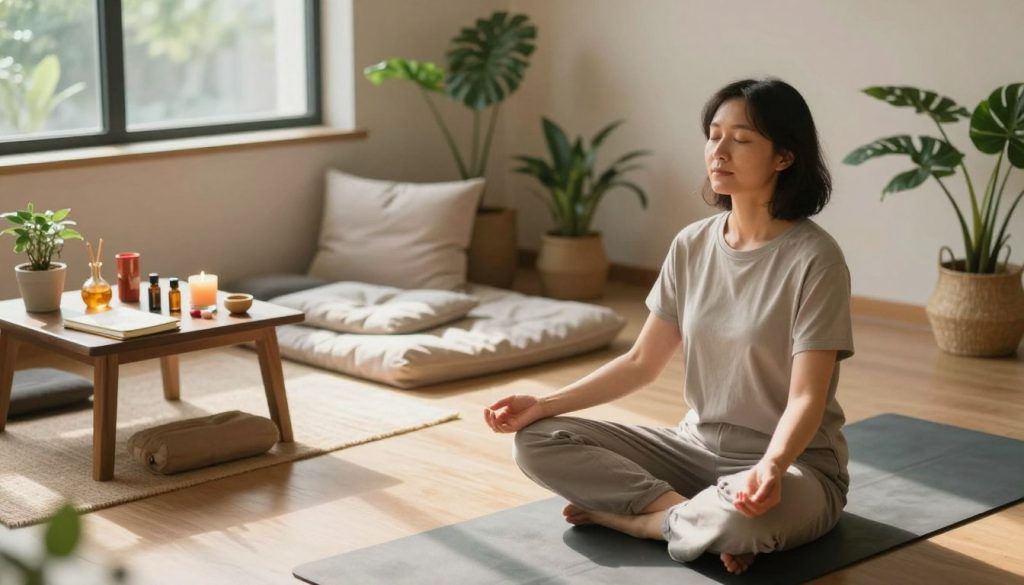
Begin with a simple five-minute mindful breathing exercise. Sit comfortably, close your eyes, and focus on your breath. Notice the sensation of the air entering and leaving your nostrils. When your mind wanders, gently bring your focus back to your breath.
Body Scan Techniques for Physical Awareness
Another effective morning practice is the body scan. Lie down or sit comfortably, and bring your attention to different parts of your body, starting from your toes and moving up to the top of your head. Notice any sensations, tension, or relaxation without judgment.
Integrating Mindful Moments Throughout Your Day
Mindfulness is not limited to formal meditation. You can practice mindfulness during daily activities such as eating, walking, or even during conversations. Paying full attention to the present moment can enhance your experience and reduce stress.
- Practice mindful eating by savoring each bite and paying attention to the flavors and textures.
- Take short mindful walks, noticing the sensation of your feet touching the ground and the surroundings.
- Engage in mindful conversations by listening fully and responding thoughtfully.
Evening Gratitude and Reflection Practices
Ending your day with gratitude and reflection can promote a restful night’s sleep and a positive outlook. Take a few minutes to reflect on your day, acknowledging accomplishments and challenges.
“Gratitude unlocks the fullness of life. It turns what we have into enough, and more. It turns denial into acceptance, chaos to order, confusion to clarity. It can turn a meal into a feast, a house into a home, a stranger into a friend.”
Using Mindfulness to Reduce Stress and Inflammation
Chronic stress can lead to inflammation, which is associated with various health issues. Mindfulness practices have been shown to reduce stress and inflammation by promoting relaxation and enhancing well-being.
Key mindfulness techniques to reduce stress include:
- Mindful breathing exercises
- Body scan meditation
- Mindful movement such as yoga or tai chi
By incorporating these mindfulness techniques into your daily life, you can take significant steps towards enhancing your longevity and overall well-being.
Implementing Holistic Health Practices That Extend Life
Embracing a holistic approach to health can significantly impact your longevity and quality of life. By focusing on comprehensive wellness strategies, individuals can enhance their overall health and potentially extend their lifespan.
Building a Longevity-Focused Nutrition Plan
A well-crafted nutrition plan is foundational to a holistic health approach. This involves incorporating dietary principles known to support longevity.
Mediterranean and Blue Zone Dietary Principles
The Mediterranean diet, rich in fruits, vegetables, whole grains, and healthy fats, has been associated with numerous health benefits. Similarly, the dietary habits of Blue Zones, areas with high concentrations of centenarians, emphasize plant-based foods, lean proteins, and minimal processed foods. Incorporating these dietary principles can help support a long and healthy life.
Intermittent Fasting and Mindful Eating
Intermittent fasting and mindful eating are practices that can enhance nutritional well-being. Intermittent fasting involves cycling between periods of eating and fasting to promote metabolic health and longevity. Mindful eating encourages a deeper connection with food, helping to reduce stress and improve digestion. These practices can be tailored to fit individual lifestyles and preferences.

Designing Your Optimal Movement Routine
Regular physical activity is crucial for maintaining health and promoting longevity. A well-rounded movement routine should include a mix of strength training, cardio, and flexibility exercises.
Strength Training for Healthy Aging
Strength training is essential for preserving muscle mass and bone density as we age. This can involve weightlifting, resistance band exercises, or bodyweight exercises. Consistency is key to reaping the benefits of strength training.
Low-Impact Cardio and Flexibility Work
Low-impact cardio activities, such as walking, cycling, or swimming, provide cardiovascular benefits without excessive strain on the joints. Flexibility exercises, like yoga or Pilates, enhance range of motion and reduce the risk of injury. Incorporating these activities into your routine can improve overall mobility and well-being.
Prioritizing Restorative Sleep for Cellular Repair
Adequate sleep is vital for overall health, playing a critical role in cellular repair and regeneration. Establishing a consistent sleep schedule and creating a restful sleep environment are crucial steps in prioritizing restorative sleep.
By implementing these holistic health practices, individuals can take proactive steps towards enhancing their longevity and overall quality of life.
Developing Sustainable Self-Care Routines
In the pursuit of a long and healthy life, incorporating sustainable self-care practices is essential. Self-care is not merely about relaxation; it’s about creating a lifestyle that supports overall well-being.
By focusing on self-care, individuals can better manage stress, improve their mental health, and enhance their physical well-being. This, in turn, can lead to a more fulfilling and longer life.
Creating Morning Rituals That Set the Tone
Starting your day with a mindful morning ritual can significantly impact your overall well-being. This could be as simple as a short meditation, a journaling practice, or a gentle stretching routine.
According to a study published in the Journal of Positive Psychology, morning mindfulness practices can improve mental clarity and set a positive tone for the day.
“The way you start your day sets the tone for the rest of it. A mindful morning routine can be a powerful tool for improving mental and emotional well-being.”
Managing Chronic Stress Through Daily Practices
Chronic stress is a significant threat to both mental and physical health. Incorporating daily practices such as deep breathing exercises, progressive muscle relaxation, or mindfulness meditation can help mitigate this stress.
| Stress Management Technique | Benefits |
|---|---|
| Deep Breathing Exercises | Reduces anxiety, lowers blood pressure |
| Progressive Muscle Relaxation | Relaxes muscles, reduces stress |
| Mindfulness Meditation | Improves mental clarity, reduces chronic stress |
Cultivating Meaningful Social Connections
Social connections play a vital role in our mental and emotional well-being. Engaging in activities that foster meaningful relationships can significantly enhance our quality of life.
Research has shown that people with strong social connections tend to have lower rates of depression and anxiety, and they often live longer.

Setting Boundaries for Mental and Emotional Health
Establishing and maintaining healthy boundaries is crucial for protecting our mental and emotional health. This involves learning to say “no” when necessary and prioritizing our own needs.
- Identify your limits
- Communicate your boundaries clearly
- Prioritize self-care
By incorporating these practices into our daily lives, we can develop sustainable self-care routines that support our overall well-being and contribute to a longer, healthier life.
Tracking Your Progress and Refining Your Approach
The key to a successful mindful longevity blueprint lies in consistently tracking your progress and refining your approach. As you implement your personalized wellness strategies, it’s essential to monitor your advancements and make adjustments to optimize your results.
Key Wellness Markers to Monitor Monthly
To effectively track your progress, focus on the following key wellness markers:
- Sleep Quality: Monitor your sleep patterns, including duration and restfulness.
- Nutrition and Hydration: Track your food intake, water consumption, and any dietary changes.
- Physical Activity: Record your exercise routines, including type, duration, and intensity.
- Mental and Emotional Well-being: Assess your stress levels, mood, and overall sense of well-being.
- Biometric Data: Track relevant health metrics, such as blood pressure, blood glucose, or body composition.

Using a Longevity Journal for Insights and Accountability
Maintaining a longevity journal can be a powerful tool for tracking your progress and gaining insights into your habits and behaviors. By regularly recording your experiences, thoughts, and feelings, you can:
- Identify patterns and trends in your wellness journey.
- Reflect on your successes and challenges.
- Make informed decisions about adjustments to your blueprint.
- Stay accountable to your goals and commitments.
Adjusting Your Blueprint Based on Results
As you track your progress, it’s essential to be flexible and willing to make adjustments to your mindful longevity blueprint. Consider the following:
- Refine Your Nutrition Plan: Adjust your diet based on your nutritional needs and health goals.
- Modify Your Exercise Routine: Change your physical activity to avoid plateaus and prevent overuse injuries.
- Enhance Your Stress Management Techniques: Explore new methods for managing stress and promoting relaxation.
Troubleshooting Common Challenges and Setbacks
Despite your best efforts, you may encounter challenges or setbacks on your mindful longevity journey. Common issues include:
- Plateaus: If you notice a stall in your progress, reassess your habits and make adjustments as needed.
- Motivation Slumps: Reconnect with your why and celebrate your achievements to regain momentum.
- Life Events: Be prepared to adapt your blueprint in response to significant life changes or stressors.
By regularly tracking your progress, using tools like a longevity journal, and making adjustments as needed, you can refine your mindful longevity blueprint and achieve optimal results.
Conclusion
As you’ve discovered throughout this article, cultivating a mindful longevity lifestyle blueprint is a powerful step towards achieving a healthier, more fulfilling life. By integrating holistic health practices and self-care routines into your daily life, you can significantly enhance your overall well-being.
Your journey begins with small, intentional steps. Start by incorporating mindfulness techniques, such as meditation and gratitude practices, into your daily routine. As you progress, you can refine your approach by tracking your progress and making adjustments as needed.
By adopting a mindful longevity lifestyle blueprint, you’ll be better equipped to manage stress, foster meaningful connections, and prioritize your overall health. Take the first step today towards a longer, healthier, and more vibrant life.