Are you tired of feeling overwhelmed and struggling to manage your mental well-being? Can a simple lifestyle change really reduce anxiety? The answer is yes, and it’s backed by science.
Implementing a holistic anxiety reduction lifestyle plan can be a game-changer for those seeking to improve their mental health. By incorporating various mental health strategies into daily life, individuals can better cope with stress and achieve a more balanced life.
A well-rounded approach to mental wellness involves more than just one or two changes; it’s about adopting a comprehensive plan that addresses multiple aspects of life. By doing so, individuals can experience significant improvements in their overall well-being.
Key Takeaways
- Holistic lifestyle changes can significantly reduce anxiety.
- Mental health strategies can be incorporated into daily life.
- A comprehensive plan is key to achieving balanced well-being.
- Simple changes can lead to significant improvements.
- A balanced life is achievable with the right approach.
Understanding How Lifestyle Changes Reduce Anxiety
Reducing anxiety through lifestyle changes involves understanding the intricate connection between the mind and body. Anxiety is not just a mental state but a condition that affects the entire being, influencing both psychological and physiological well-being.
The mind-body connection plays a crucial role in anxiety management. When we experience anxiety, our body’s stress response is triggered, releasing hormones like cortisol and adrenaline. These hormones prepare our body for the “fight or flight” response, causing physical symptoms such as a rapid heartbeat, sweating, and trembling.
The Mind-Body Connection in Anxiety Management
The mind-body connection is fundamental in understanding how lifestyle changes can reduce anxiety. Techniques that promote relaxation and reduce stress can help calm the mind and body, thereby reducing anxiety. This includes practices like meditation, yoga, and deep breathing exercises, which have been shown to decrease the production of stress hormones.
Meditation, for instance, helps by training the mind to focus on the present, reducing worries about the future or past. Yoga combines physical movement with deep breathing techniques, enhancing the mind-body connection and promoting relaxation.
Why a Holistic Approach Works Better Than Quick Fixes
A holistic approach to anxiety reduction involves making comprehensive lifestyle changes rather than relying on quick fixes like medication. This approach addresses the root causes of anxiety, promoting long-term relief and overall well-being.
- Adopting a balanced diet rich in nutrients
- Engaging in regular physical activity
- Ensuring adequate sleep
- Practicing stress management techniques
By incorporating these changes into daily life, individuals can significantly reduce their anxiety levels and improve their mental health.
Mastering Sleep: Your First Step to Anxiety Relief
Quality sleep is the foundation upon which successful anxiety management is built. Achieving a restful night’s sleep can significantly reduce anxiety levels, improve mental health, and enhance overall well-being. In this section, we’ll explore the essential steps to mastering sleep as your first step towards anxiety relief.
Creating a Sleep Schedule That Calms Your Nervous System
Establishing a consistent sleep schedule is crucial for regulating your body’s internal clock and improving the quality of your sleep. This involves setting a regular bedtime and wake time, as well as developing a calming pre-sleep routine.
Setting Consistent Bedtimes and Wake Times
Going to bed and waking up at the same time every day, including weekends, helps regulate your circadian rhythms. This consistency can improve the quality of your sleep and reduce anxiety.
- Set a bedtime that allows for 7-9 hours of sleep.
- Establish a wake-up time that gives you a gentle morning routine.
- Stick to your schedule, even on weekends or days off.
Building a Relaxing Bedtime Routine
A calming pre-sleep routine can signal to your brain that it’s time to sleep, reducing anxiety and promoting relaxation. Consider incorporating activities such as:
- Reading a book or listening to soothing music.
- Practicing gentle stretches or meditation.
- Taking a warm bath or shower.
Optimizing Your Bedroom for Anxiety-Free Sleep
Your bedroom environment plays a significant role in determining the quality of your sleep. By optimizing factors such as temperature, lighting, and sound, you can create a sleep-conducive environment that promotes relaxation and reduces anxiety.
Temperature, Lighting, and Sound Control
Maintaining an optimal bedroom environment involves controlling temperature, lighting, and sound levels. Consider the following:
| Factor | Ideal Condition |
|---|---|
| Temperature | Between 60-67°F (15-19°C) |
| Lighting | Dark or dim red lighting |
| Sound | Quiet or white noise |
Removing Anxiety Triggers from Your Sleep Space
Identifying and removing anxiety triggers from your bedroom can significantly improve sleep quality. This may involve:
- Removing electronic devices such as TVs and computers.
- Avoiding work or stressful activities in bed.
- Using calming scents such as lavender.
By implementing these strategies, you can create a sleep-friendly environment that promotes relaxation, reduces anxiety, and improves overall sleep quality.
Physical Activity and Nutrition for Mental Well-Being
A healthy lifestyle, characterized by regular physical activity and mindful eating, is foundational to reducing anxiety and enhancing overall well-being. By incorporating exercise and a balanced diet into your daily routine, you can significantly impact your mental health.
Exercise as a Natural Anxiety Reducer
Exercise is a powerful tool in the fight against anxiety. Physical activity has been shown to reduce symptoms of anxiety by releasing endorphins, also known as “feel-good” hormones. Regular exercise can help improve mood, reduce stress levels, and enhance sleep quality.
Low-Impact Activities for Beginners
For those new to exercise, low-impact activities such as yoga, walking, or swimming are excellent starting points. These activities are gentle on the body and can be modified to suit different fitness levels. Yoga, in particular, combines physical movement with mindfulness techniques, making it an ideal activity for anxiety relief.
Creating a Sustainable Movement Routine
To make exercise a sustainable part of your lifestyle, it’s essential to find activities you enjoy and can commit to in the long term. Consistency is key, so aim to incorporate physical activity into your daily routine, even if it’s just a short walk each day. Creating a routine that includes a mix of cardiovascular exercise, strength training, and flexibility exercises can help keep your workouts interesting and prevent burnout.

Eating to Support Your Mental Health
The food we eat plays a significant role in our mental health. A diet rich in whole foods, fruits, vegetables, and lean proteins can help support mental well-being. Certain nutrients have been shown to have a positive impact on anxiety levels.
Anxiety-Reducing Foods to Add to Your Diet
Incorporating specific foods into your diet can help alleviate anxiety. Some of these foods include:
- Fatty fish rich in omega-3 fatty acids, such as salmon and sardines
- Nuts and seeds, particularly almonds and chia seeds
- Leafy greens like spinach and kale
- Whole grains, such as quinoa and brown rice
Foods and Drinks That Trigger Anxiety
Just as some foods can help reduce anxiety, others can trigger or exacerbate it. It’s essential to be mindful of your consumption of:
- Caffeine, particularly in large amounts or too close to bedtime
- Sugary foods and drinks that can cause energy crashes and mood swings
- Processed foods high in salt and unhealthy fats
By being aware of how different foods affect your mental health, you can make informed choices to support your well-being.
Daily Mindfulness Practices and Relaxation Exercises for Anxiety
Daily mindfulness practices offer a powerful tool for reducing anxiety and improving overall well-being. By incorporating mindfulness and relaxation exercises into your daily routine, you can better manage anxiety and promote a sense of calm.
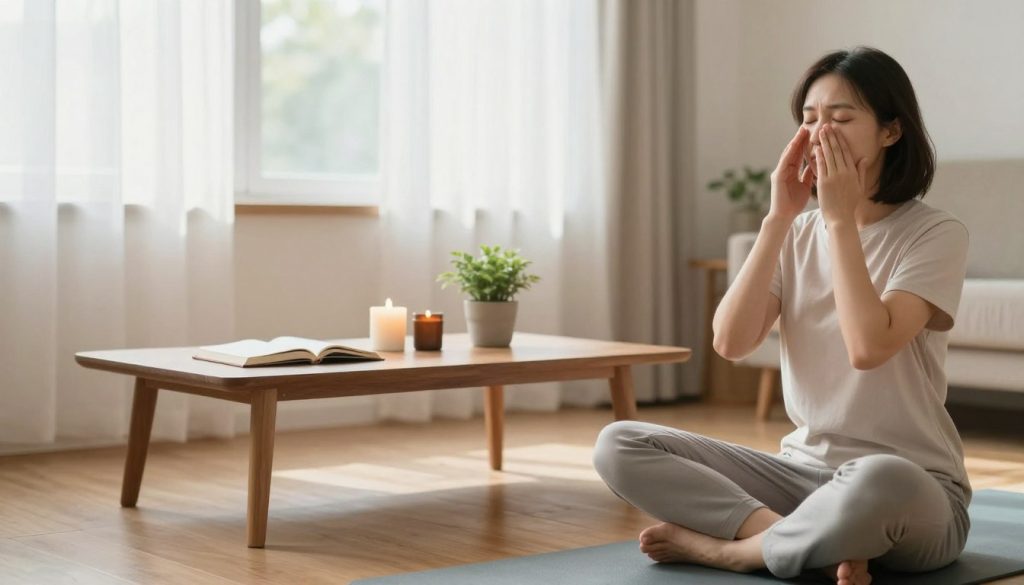
Morning Mindfulness Rituals to Start Your Day Calm
Starting your day with mindfulness rituals can set a positive tone and help manage anxiety throughout the day. Meditation and mindful breathing are effective techniques to begin with.
Five-Minute Meditation Techniques
Meditation doesn’t have to be time-consuming to be effective. Even a few minutes of focused meditation can significantly reduce anxiety. Try a simple technique like focusing on your breath or a mantra.
Mindful Breathing Exercises
Mindful breathing involves paying attention to your breath, noticing its rhythm, and letting go of distracting thoughts. This practice can be done anywhere, at any time, making it a versatile anxiety management tip.
Stress Management Techniques Throughout Your Day
Managing stress is crucial for anxiety reduction. Incorporating progressive muscle relaxation and grounding exercises into your daily routine can help.
Progressive Muscle Relaxation
This technique involves tensing and then relaxing different muscle groups in your body. It’s a simple yet effective way to release physical tension and reduce anxiety.
Grounding Exercises for Anxiety Moments
Grounding exercises help you focus on the present moment, distracting you from anxious thoughts. Techniques include paying attention to your five senses or using a grounding mantra.
Evening Practices to Release Daily Tension
Ending your day with relaxation practices can help release accumulated tension and prepare your body for restful sleep. Consider incorporating relaxation techniques such as gentle stretches or a warm bath into your evening routine.
As noted by mindfulness expert Jon Kabat-Zinn, “The best way to take care of the future is to take care of the present moment.” By integrating these mindfulness practices into your daily life, you can develop effective stress management techniques and improve your overall well-being.
“You can’t start the next chapter of your life if you keep re-reading the last one.” This quote emphasizes the importance of living in the present and letting go of past anxieties, which is a core principle of mindfulness practices.
Implementing Your Complete Anxiety Reduction Lifestyle Plan
To effectively manage anxiety, it’s crucial to implement a holistic approach that encompasses various aspects of your life. This comprehensive plan is designed to help you reduce anxiety by making sustainable lifestyle changes.
Your 30-Day Step-by-Step Implementation Guide
The following 30-day guide is structured to help you gradually adopt new habits and practices that contribute to reduced anxiety.
Days 1-10: Establishing Sleep and Morning Routines
Starting with sleep and morning routines lays a solid foundation for your day. Consistency is key to regulating your body’s internal clock and improving the quality of your sleep.
- Establish a consistent sleep schedule.
- Create a bedtime routine that promotes relaxation.
- Begin your day with a mindfulness practice or journaling.
Days 11-20: Adding Movement and Nutrition Changes
Incorporating physical activity and healthy nutrition plays a significant role in anxiety management. Find an activity you enjoy to ensure you stick to it.
- Introduce a daily physical activity, such as walking or yoga.
- Gradually adjust your diet to include more whole foods and reduce processed foods.
Days 21-30: Integrating Mindfulness and Stress Management
Mindfulness and stress management are crucial for maintaining your mental well-being. Practice mindfulness daily to help you stay grounded.
- Engage in daily mindfulness practices, such as meditation or deep breathing exercises.
- Learn and apply stress management techniques, such as progressive muscle relaxation.
As highlighted by a study, “Mindfulness-based stress reduction programs have been shown to reduce symptoms of anxiety and depression.”
“Mindfulness is the practice of being fully present and engaged in the current moment, without judgment or distraction.”
Tracking Your Progress and Adjusting Your Plan
Monitoring your progress is essential to understanding what works best for you. Keep a journal to track your feelings, challenges, and successes.
| Day | Practice | Notes |
|---|---|---|
| 1-5 | Sleep Routine | Challenges faced, improvements noted |
| 11-15 | Physical Activity | Types of exercises, energy levels |
| 21-25 | Mindfulness Practice | Observations, feelings of calm |
Coping Mechanisms for Setbacks
It’s normal to encounter setbacks. Be gentle with yourself and remember that setbacks are opportunities for growth.
- Identify triggers for setbacks.
- Develop a plan to cope with setbacks, such as reaching out to a support network.
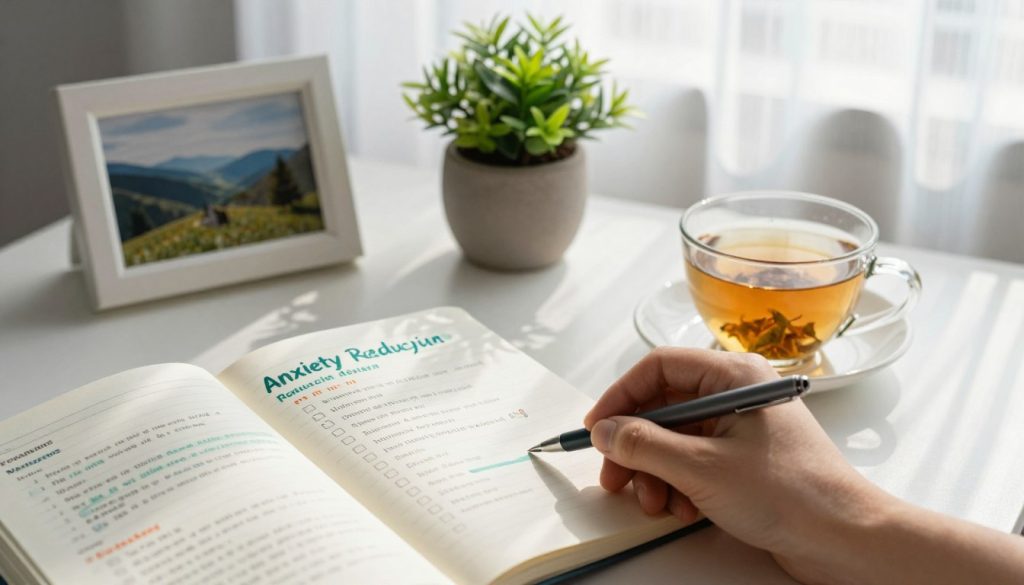
By following this 30-day step-by-step guide and being committed to your anxiety reduction lifestyle plan, you can achieve significant improvements in your mental well-being.
Conclusion
By incorporating the lifestyle changes and mental health strategies outlined in this guide, you can significantly reduce anxiety and improve your overall well-being. Mastering sleep, engaging in regular physical activity, and practicing mindfulness are just a few of the key takeaways that can help you achieve a more balanced life.
Relaxation exercises for anxiety, such as those discussed in the daily mindfulness practices section, can be particularly effective when combined with a healthy diet and regular exercise. By making these habits a part of your daily routine, you can better manage stress and anxiety.
As you continue on your journey to a calmer, healthier you, remember that consistency and patience are key. It’s essential to track your progress, adjust your plan as needed, and be gentle with yourself when faced with setbacks. With persistence and the right mental health strategies, you can achieve long-term anxiety management and enjoy a more fulfilling life.