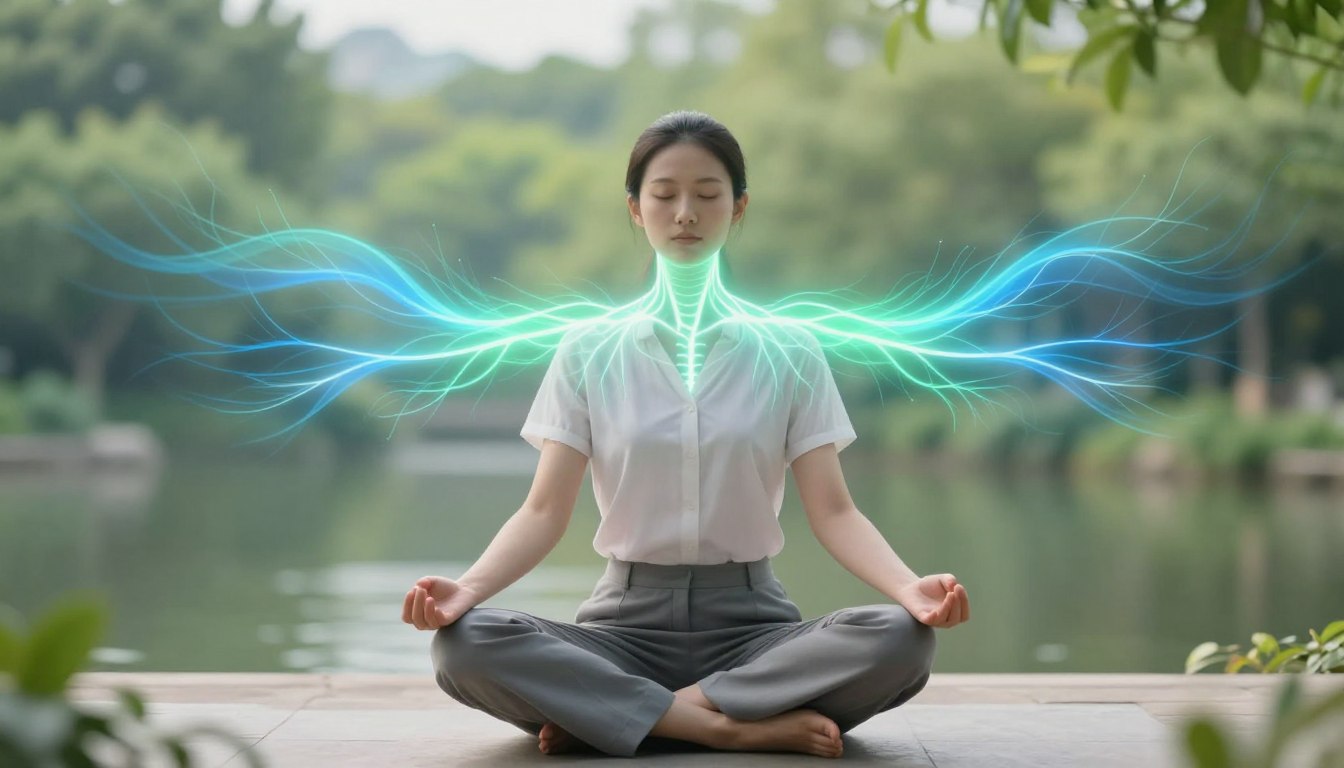
Are you constantly feeling stressed and overwhelmed? In today’s fast-paced world, achieving a balance between our autonomic nervous system’s “fight or flight” and “rest and digest” responses is crucial for our overall well-being.
The parasympathetic nervous system plays a vital role in promoting relaxation and reducing stress. By understanding and utilizing effective parasympathetic activation techniques, individuals can improve their overall health and mitigate the negative effects of stress.
So, how can we effectively activate our parasympathetic nervous system to achieve autonomic nervous system balance and enhance our “rest and digest” response?
Key Takeaways
- Understanding the importance of the parasympathetic nervous system in stress reduction.
- Learning effective techniques for parasympathetic activation.
- Achieving a balance between “fight or flight” and “rest and digest” responses.
- Improving overall well-being through autonomic nervous system balance.
- Mitigating the negative effects of stress on health.
Understanding Your Parasympathetic Nervous System
Understanding the parasympathetic nervous system is key to unlocking a healthier, more balanced life. This system is one part of our autonomic nervous system, which controls involuntary actions of the body. The parasympathetic nervous system is often referred to as the “rest and digest” system because it promotes relaxation, reduces stress, and helps with digestion.
What Is the Rest and Digest Response
The “rest and digest” response is the parasympathetic nervous system’s way of countering the “fight or flight” response generated by the sympathetic nervous system. When we’re stressed, our sympathetic nervous system is activated, preparing our body to either fight or flee. Conversely, the parasympathetic nervous system helps to calm the body down, promoting processes like digestion and reducing heart rate.
Activation of the parasympathetic nervous system can be achieved through various methods, including deep breathing, meditation, and certain physical exercises. By regularly practicing these techniques, individuals can improve their overall well-being and reduce the negative impacts of stress.
How the Autonomic Nervous System Balance Works
The autonomic nervous system (ANS) is composed of two main branches: the sympathetic nervous system and the parasympathetic nervous system. The balance between these two systems is crucial for maintaining good health. The sympathetic nervous system is responsible for the “fight or flight” response, while the parasympathetic nervous system handles the “rest and digest” response.
Achieving a balance between these two systems is vital. Too much sympathetic activity can lead to chronic stress, anxiety, and a host of other health issues. On the other hand, adequate parasympathetic activity helps to mitigate these effects, promoting relaxation and recovery.
| System | Primary Function | Effects on the Body |
|---|---|---|
| Sympathetic Nervous System | “Fight or Flight” | Increased heart rate, blood pressure, and energy supplies |
| Parasympathetic Nervous System | “Rest and Digest” | Decreased heart rate, promotion of digestion, and relaxation |
Why Parasympathetic Activation Matters for Your Health
Activating the parasympathetic nervous system is crucial for maintaining good health. By promoting relaxation and reducing stress, parasympathetic activation can help mitigate the risks associated with chronic stress, such as hypertension, digestive issues, and anxiety disorders.
Regular parasympathetic activation can lead to improved sleep quality, enhanced cognitive function, and a stronger immune system. It’s an essential component of a holistic approach to health and well-being.
Best Parasympathetic Activation Methods: An Overview
Activating your parasympathetic nervous system is crucial for maintaining overall health and well-being. The parasympathetic nervous system is responsible for the body’s “rest and digest” response, counterbalancing the “fight or flight” stress response. By incorporating effective parasympathetic activation methods into your daily routine, you can improve your mental and physical health, enhance your resilience to stress, and promote overall wellness.
There are various approaches to activating the parasympathetic nervous system, ranging from simple breathing exercises to more complex biofeedback techniques. The key is to find the methods that work best for you and your lifestyle.
Science-Backed Approaches to Nervous System Regulation
Several science-backed approaches have been shown to effectively activate the parasympathetic nervous system. These include:
- Breathing Techniques: Conscious breathing exercises can help calm the mind and activate the parasympathetic response.
- Meditation and Mindfulness: Regular meditation practice has been shown to enhance parasympathetic activity and reduce stress.
- Progressive Muscle Relaxation: This technique involves systematically relaxing different muscle groups to promote overall relaxation.
- Yoga and Tai Chi: These practices combine physical movement with deep breathing and meditation techniques to enhance parasympathetic activity.

Choosing the Right Method for Your Lifestyle
When selecting parasympathetic activation methods, it’s essential to consider your lifestyle, preferences, and goals. Some people may find that a combination of techniques works best, while others may prefer to focus on a single method.
| Method | Description | Time Commitment |
|---|---|---|
| Diaphragmatic Breathing | Focuses on deep, belly-expanding breaths | 5-10 minutes |
| Meditation | Practice mindfulness or guided meditation | 10-20 minutes |
| Progressive Muscle Relaxation | Systematically relax different muscle groups | 10-15 minutes |
By understanding the various parasympathetic activation methods available and choosing those that best fit your lifestyle, you can take the first step towards achieving a more balanced and healthy life.
Activate Your Parasympathetic Response Through Breathing Techniques
Breathing techniques are a powerful tool for activating your parasympathetic nervous system. By incorporating specific breathing exercises into your daily routine, you can effectively reduce stress and promote relaxation.
The following steps will guide you through various breathing techniques that can help stimulate your parasympathetic response. Let’s explore these methods in detail.
Master Diaphragmatic Breathing
Diaphragmatic breathing, also known as belly breathing, engages your diaphragm to fill your lungs fully. This technique helps slow down your heart rate and promote relaxation.
- Place one hand on your belly and the other on your chest.
- Inhale deeply through your nose, allowing your belly to rise while your chest remains still.
- Exhale slowly through your mouth, feeling your belly fall.
- Practice this technique for 5-10 minutes daily.
Practice the 4-7-8 Breathing Method
The 4-7-8 breathing technique, also known as the “Relaxation Breath,” can help calm your nervous system.
- Inhale through your nose for a count of 4.
- Hold your breath for a count of 7.
- Exhale through your mouth for a count of 8.
- Repeat this cycle for 3-4 rounds.

Try Box Breathing for Stress Relief
Box breathing is a simple yet effective technique used to reduce stress and improve focus.
- Inhale for a count of 4, filling your lungs completely.
- Hold your breath for a count of 4.
- Exhale for a count of 4, emptying your lungs completely.
- Hold your breath again for a count of 4.
- Repeat this cycle for several rounds.
Use Alternate Nostril Breathing
Alternate nostril breathing is a yogic technique that balances your nervous system and promotes relaxation.
- Close your right nostril with your thumb and inhale through your left nostril.
- Close your left nostril with your ring finger and exhale through your right nostril.
- Inhale through your right nostril, close it, and exhale through your left nostril.
- Continue alternating for 5-10 minutes.
By incorporating these breathing techniques into your daily routine, you can effectively activate your parasympathetic response and reduce stress.
Stimulate Your Vagus Nerve for Instant Calm
Stimulating the vagus nerve is a powerful way to activate your parasympathetic nervous system and reduce stress. The vagus nerve plays a vital role in regulating various bodily functions, including heart rate, digestion, and relaxation response. By stimulating this nerve, you can promote a sense of calm and well-being.
The following methods are effective ways to stimulate your vagus nerve:
Step 1: Apply Cold Water Face Immersion
Cold water face immersion is a simple yet effective technique to stimulate the vagus nerve. By immersing your face in cold water, you can activate the nerve and promote a relaxation response. To try this method, fill a bowl with cold water, hold your breath, and immerse your face for 10-15 seconds. Repeat this process several times.
Step 2: Practice Humming and Singing Exercises
Humming and singing are other effective ways to stimulate the vagus nerve. When you hum or sing, you vibrate your vocal cords, which can stimulate the nerve and promote relaxation. Try humming a simple tune or singing your favorite song to activate your vagus nerve.

Step 3: Perform Gentle Neck and Ear Massage
Gentle neck and ear massage can also stimulate the vagus nerve. The nerve is located in the neck, and massaging this area can help activate it. Use your fingertips to gently massage the sides of your neck, just below the ears. You can also massage your earlobes and the area behind your ears.
Step 4: Try Gargling Techniques
Gargling is another technique that can stimulate the vagus nerve. When you gargle, you activate the nerve and promote relaxation. Try gargling with water or a saltwater solution for 30 seconds to 1 minute. Repeat this process several times.
By incorporating these techniques into your daily routine, you can stimulate your vagus nerve and promote instant calm. Remember to practice these methods regularly to achieve optimal results.
Use Meditation for Relaxation and Stress Reduction
The practice of meditation offers a simple yet effective way to calm the mind and activate the parasympathetic nervous system. By incorporating meditation into your daily routine, you can significantly reduce stress levels and improve your overall well-being.

Set Up Your Meditation Space
Creating a dedicated meditation space can enhance your practice by providing a quiet and comfortable environment. Choose a spot in your home that is free from distractions and has minimal noise. Consider using a cushion or chair that supports good posture, and keep the area clean and clutter-free.
Tips for Your Meditation Space:
- Select a quiet area
- Use comfortable seating
- Minimize clutter
- Consider calming colors or decor
Practice Body Scan Meditation
Body scan meditation involves focusing your attention on different parts of your body, starting from your toes and moving up to the top of your head. This technique helps in releasing physical tension and promoting relaxation.
Steps for Body Scan Meditation:
- Lie down or sit comfortably
- Close your eyes and take deep breaths
- Focus on each body part, releasing tension as you go
- End with a few minutes of deep breathing
Incorporate Loving-Kindness Meditation
Loving-kindness meditation, also known as Metta meditation, involves focusing on sending kindness to yourself and others. This practice can help cultivate a positive and compassionate mindset, reducing stress and anxiety.
How to Practice Loving-Kindness Meditation:
- Begin by directing kindness towards yourself
- Gradually extend kindness to others, including friends, acquaintances, and even those you may have difficulties with
- End by embracing all beings with kindness
Establish a Daily Meditation Routine
Consistency is key when it comes to meditation. Establishing a daily routine can help you reap the full benefits of meditation, including reduced stress and improved mental clarity.
Tips for a Daily Meditation Practice:
- Start with short sessions and gradually increase the duration
- Choose a consistent time of day that works for you
- Be patient with yourself and maintain a regular practice
Master Heart Rate Variability Biofeedback Training
Mastering heart rate variability biofeedback training can be a game-changer for those seeking to improve their parasympathetic response. This technique involves using specialized equipment to monitor and control your heart rate variability (HRV), which is a key indicator of your autonomic nervous system balance.
Choosing Your HRV Tracking Device
The first step in HRV biofeedback training is selecting an appropriate tracking device. There are various options available, ranging from chest straps to finger sensors and smartphone apps. When choosing a device, consider factors such as accuracy, ease of use, and compatibility with any existing health monitoring systems you may have.
Some popular HRV tracking devices include heart rate monitors with HRV analysis capabilities and smartphone apps that use photoplethysmography (PPG) technology. Research the options to find the one that best suits your needs and budget.
Establishing Your Baseline Measurements
Once you have your HRV tracking device, it’s essential to establish a baseline measurement. This involves recording your HRV under normal conditions, typically at rest. To get an accurate baseline, take measurements at the same time each day, under similar circumstances.
Recording your baseline HRV over several days will give you a more comprehensive understanding of your autonomic nervous system balance. This data will serve as a reference point for tracking your progress as you continue with the biofeedback training.
Implementing Resonance Frequency Breathing
A crucial component of HRV biofeedback training is resonance frequency breathing. This technique involves breathing at a specific rate that maximizes your HRV and stimulates your parasympathetic nervous system. Typically, this rate is between 4.5 to 6.5 breaths per minute, but it can vary from person to person.
To implement resonance frequency breathing, start by using your HRV tracking device to monitor your heart rate while you breathe at different rates. Adjust your breathing until you find the rate that produces the highest HRV. Practice this breathing technique regularly to enhance your parasympathetic activation.
Tracking Your Progress and Adjusting
As you continue with your HRV biofeedback training, it’s crucial to track your progress. Regularly record your HRV measurements and monitor any changes in your overall well-being, such as improvements in sleep quality or reductions in stress levels.
Use this data to adjust your training as needed. You may need to fine-tune your resonance frequency breathing technique or explore other parasympathetic activation methods to complement your HRV biofeedback training.
Conclusion
By incorporating parasympathetic activation methods into your daily routine, you can achieve a more balanced autonomic nervous system. This balance is crucial for overall well-being, enabling your body to effectively manage stress and promote relaxation.
Techniques such as diaphragmatic breathing, vagus nerve stimulation, and meditation have been shown to reduce stress and improve overall health. Regular practice of these stress reduction exercises can lead to a significant improvement in your quality of life.
As you continue on your journey to better health, remember that consistency is key. Make parasympathetic activation a habit by incorporating these methods into your daily life. With time and practice, you can develop a more resilient response to stress and improve your overall well-being.
By achieving autonomic nervous system balance, you can unlock a healthier, more balanced you. Start your journey today and discover the benefits of parasympathetic activation methods for yourself.